
Few decisions shape a kitchen renovation quite like the benchtop. It’s the surface you’ll prep dinner on, gather around with family, and the first thing most visitors notice when they walk into your kitchen. With so many materials available to Sydney homeowners in 2026, it’s worth understanding the real differences between stone, laminate, timber and porcelain before you commit.
At Kenwood Kitchens, we work with clients across Sydney — from character-filled homes in the Inner West to modern coastal renovations in the Eastern Suburbs and family kitchens in the Hills District — and one of the most common questions we hear is, “which benchtop material is actually right for us?” Here’s an honest, practical comparison to help you decide.
Natural and Engineered Stone
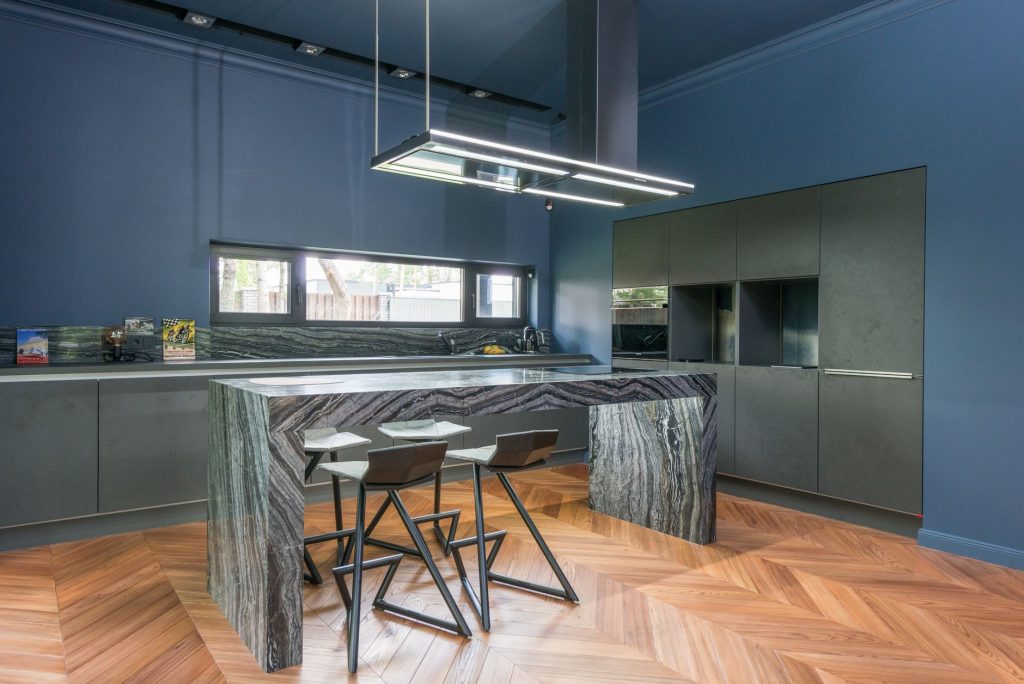
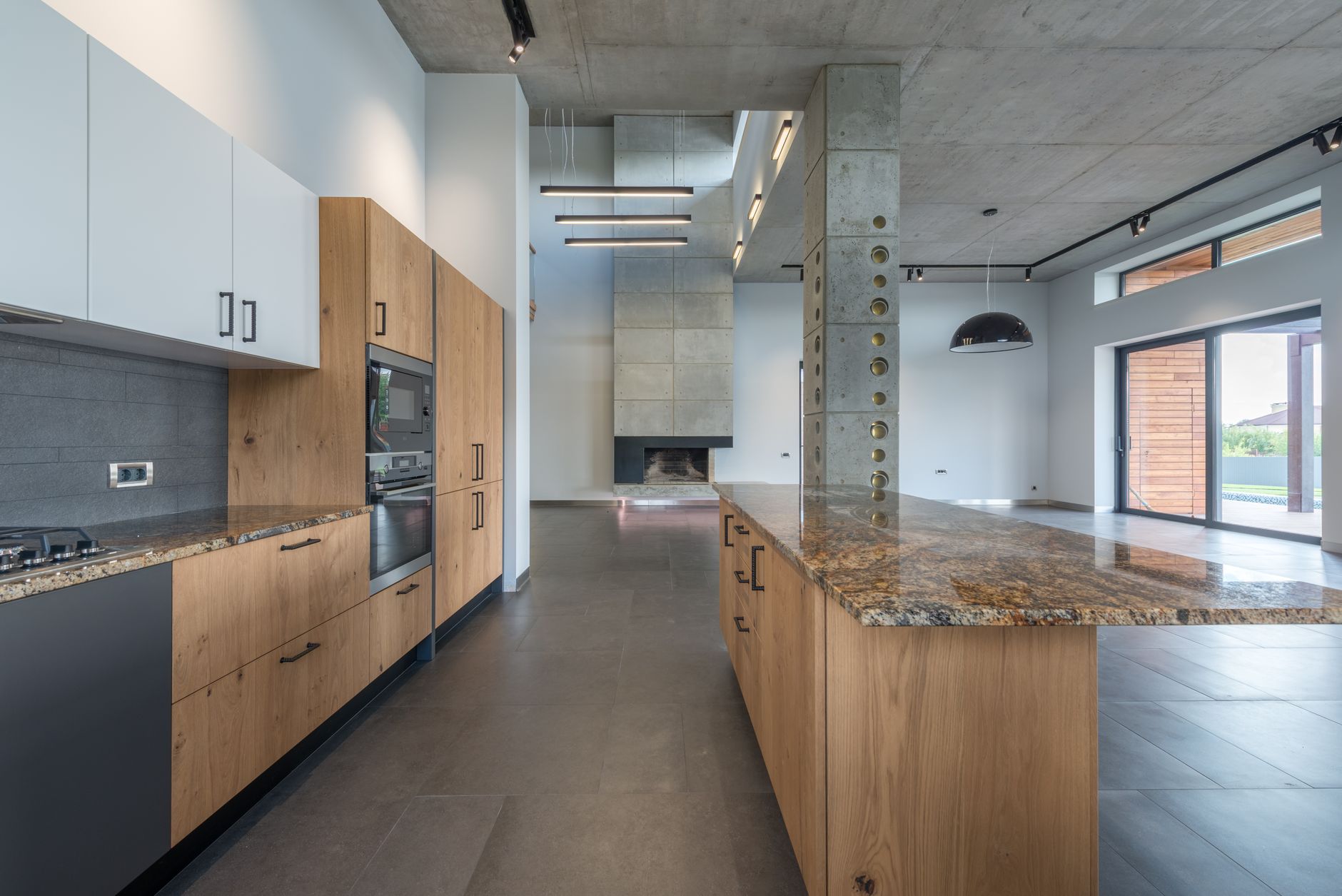
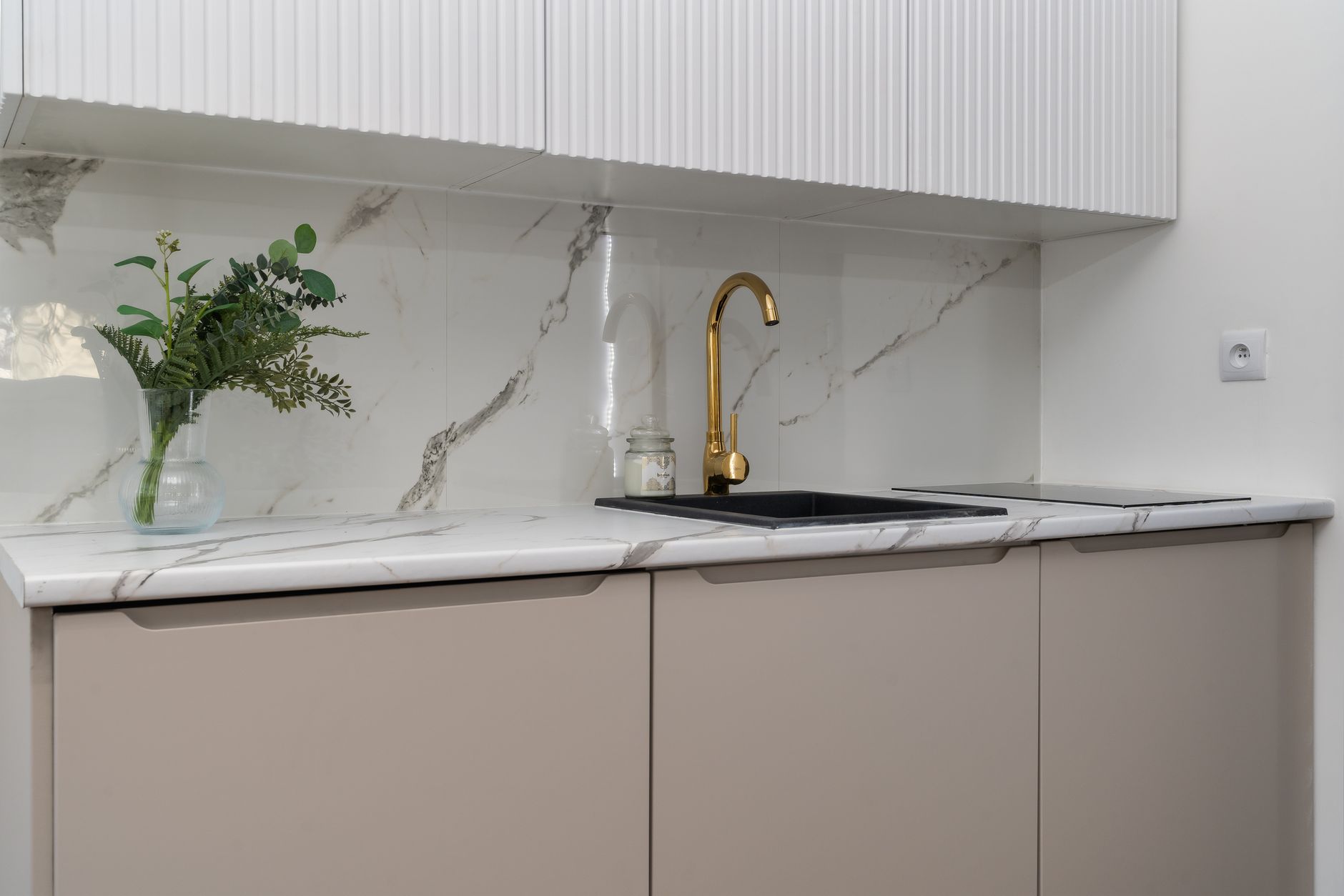
Stone benchtops, whether natural materials like marble and granite or engineered quartz, remain a favourite among Sydney homeowners for good reason. They offer a premium, timeless look that suits everything from classic Hamptons-style kitchens to sleek contemporary designs.
Pros
Stone is highly durable, heat-resistant and adds genuine resale value to a home. Engineered stone in particular offers consistent colour and pattern, along with strong resistance to staining when properly sealed. It’s a popular choice for Sydney kitchens where the benchtop doubles as a design statement, especially with waterfall edges or large island benches.
Considerations
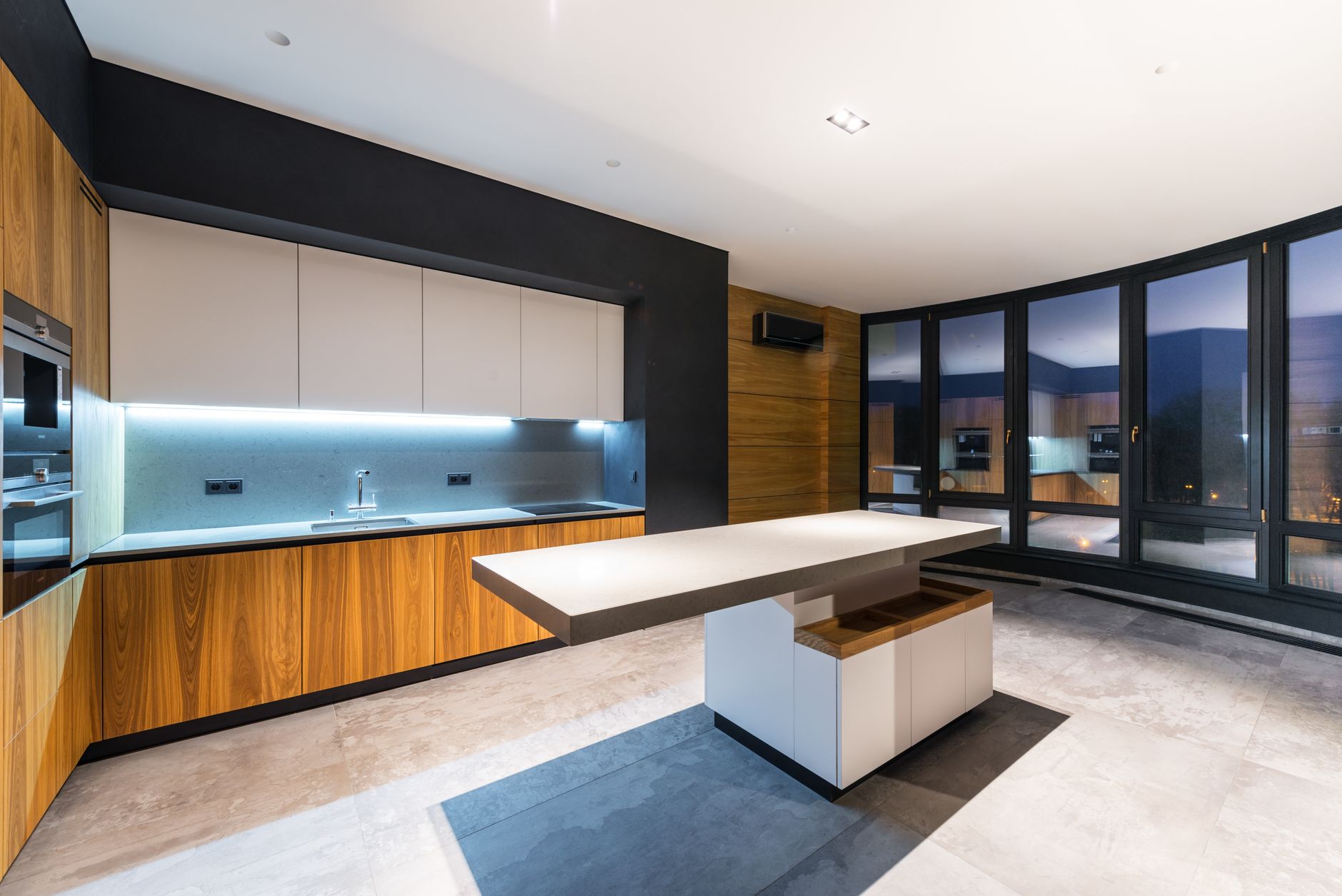
Natural stone like marble is porous and can mark or etch over time, particularly with acidic foods like lemon juice or wine. It generally needs sealing periodically to maintain its resistance. Stone is also one of the pricier options, and its weight means it requires professional installation and adequate cabinetry support.
Laminate Benchtops
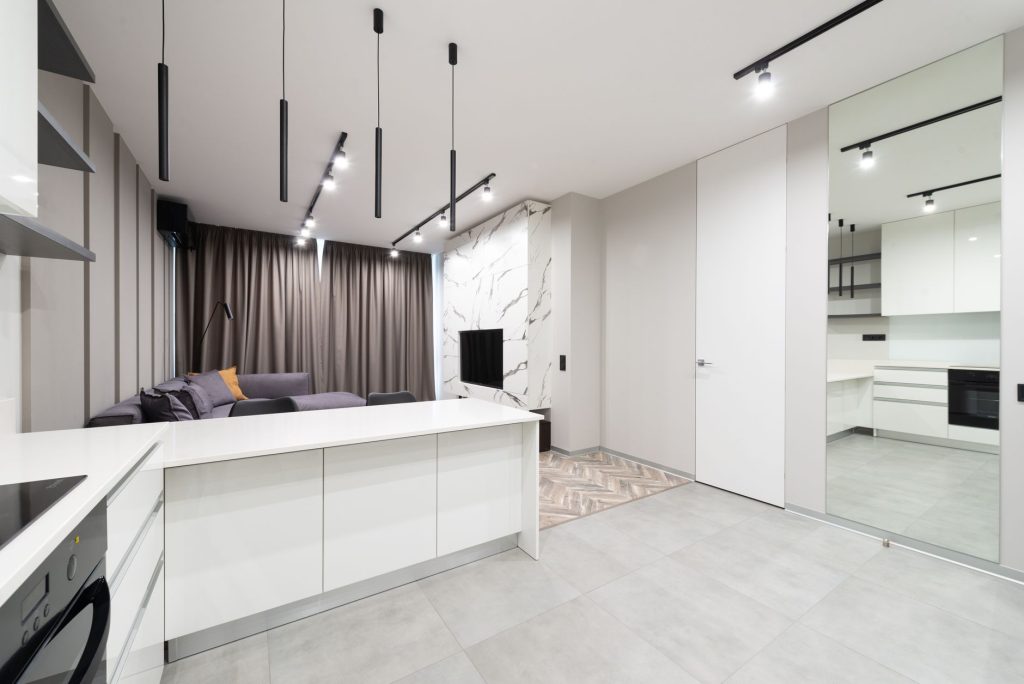
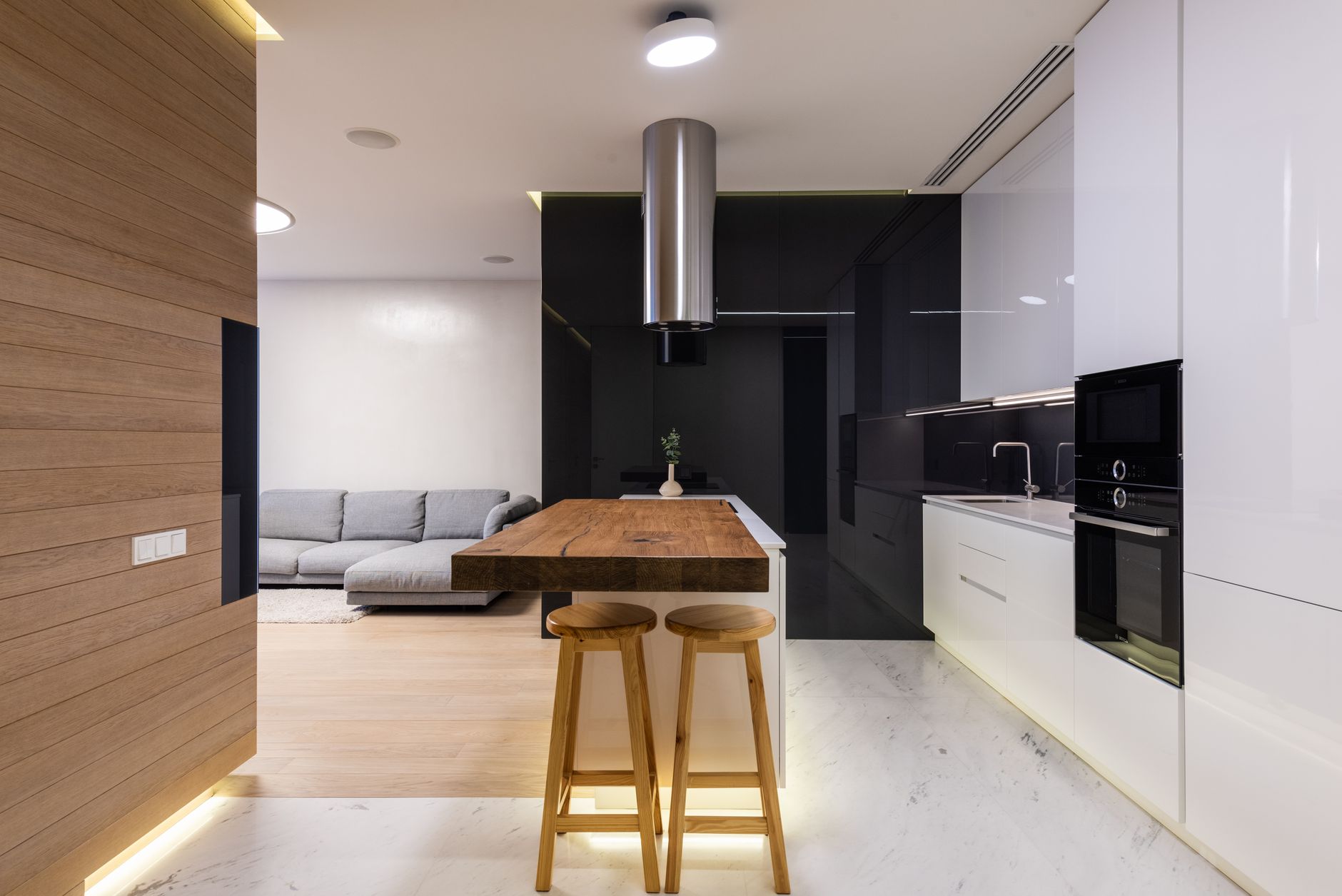
Laminate has come a long way from its dated reputation. Today’s laminate benchtops offer an impressive range of finishes, including realistic stone and timber look-alikes, at a fraction of the cost.
Pros
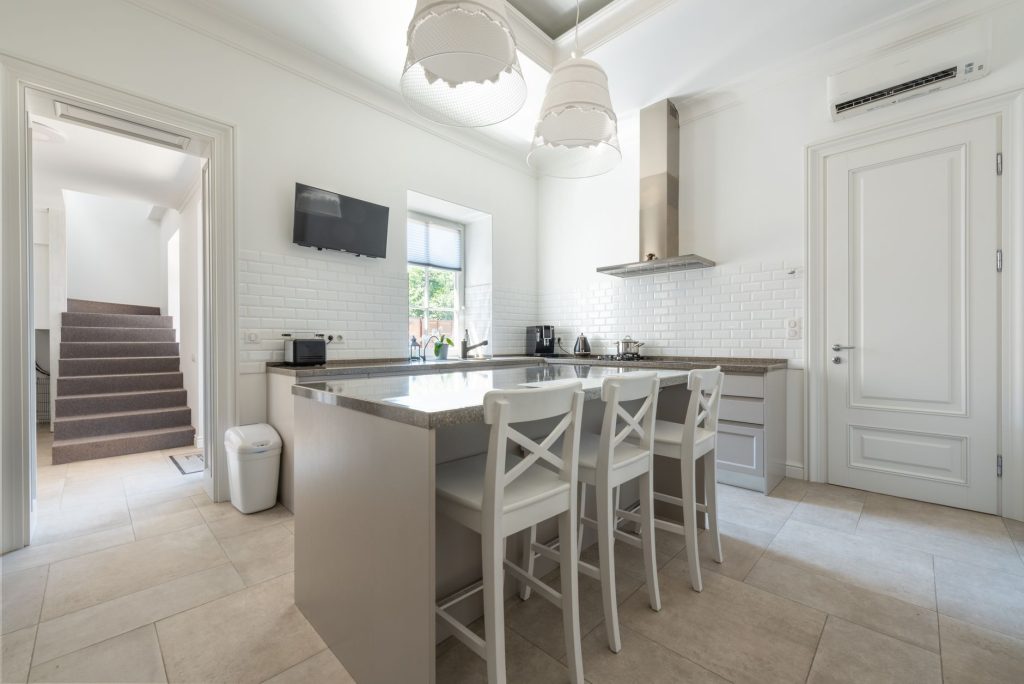
Laminate is budget-friendly, lightweight and available in an enormous range of colours and textures. It’s a practical choice for rental properties, investment renovations, or homeowners wanting a stylish kitchen without the premium price tag. Many Sydney homeowners renovating on a tighter budget choose laminate for secondary kitchens, laundries or butler’s pantries.
Considerations
Laminate isn’t as heat or scratch resistant as stone or porcelain, and damage can be harder to repair invisibly. It also generally has a shorter lifespan than other materials, which is worth factoring in if you’re planning to stay in your home long-term.
Timber Benchtops
Timber brings warmth and natural character that other materials struggle to replicate. It’s particularly popular in Sydney homes leaning into Scandinavian, coastal or rustic-contemporary design trends.
Pros
Timber benchtops age beautifully, developing a rich patina over time, and can often be sanded back and refinished if they become worn. They pair well with natural materials like exposed brick, timber flooring and matte black tapware — a combination we see frequently in renovations across suburbs like Manly and the Northern Beaches.
Considerations
Timber requires more maintenance than other materials, including regular oiling to protect against moisture. It’s also more vulnerable to scratches, heat marks and water damage if not properly cared for, so it suits homeowners willing to invest a bit of ongoing attention.
Porcelain Benchtops
Porcelain has grown significantly in popularity among Sydney renovators, and it’s easy to see why. Large-format porcelain slabs offer a sophisticated look with performance benefits that suit busy family kitchens.
Pros
Porcelain is highly resistant to heat, scratches, UV fading and staining, making it one of the most low-maintenance options available. It doesn’t require sealing and holds up well in high-use kitchens. Porcelain is also available in a wide range of finishes that convincingly mimic natural stone or concrete, appealing to homeowners who want the stone aesthetic with easier upkeep.
Considerations
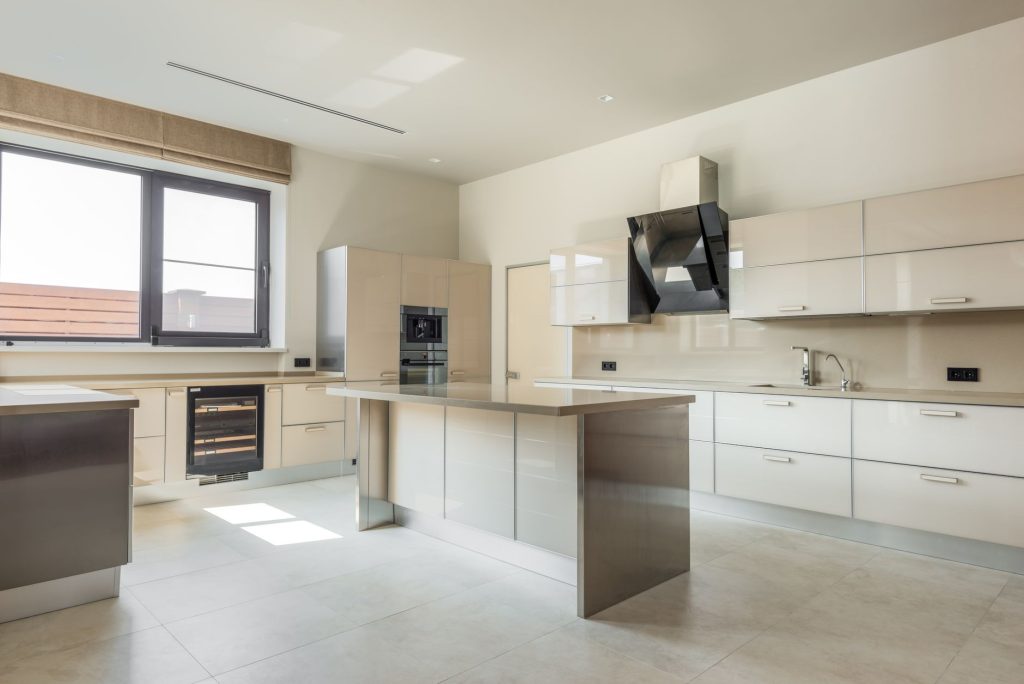
Porcelain slabs can be brittle around edges and corners if not installed correctly, so professional fabrication and installation is essential. It also tends to sit at a similar price point to premium stone.
Which Material Suits Your Sydney Kitchen?
There’s no single “best” benchtop material — the right choice depends on your household’s lifestyle, design goals and budget. A young family in Parramatta prioritising durability and easy cleaning might lean towards porcelain or engineered stone, while a homeowner in Balmain restoring a heritage terrace might prefer the character of timber. Investment properties or budget renovations across Western Sydney often benefit from the value and versatility of laminate.
Questions to Ask Yourself
Consider how much cooking and entertaining happens in your kitchen, how much maintenance you’re realistically willing to do, and whether the benchtop needs to complement existing elements like flooring, splashbacks or cabinetry finishes. It’s also worth thinking about long-term plans — are you renovating to sell, or to enjoy for the next decade?
Get Expert Guidance From Kenwood Kitchens
Choosing between stone, laminate, timber and porcelain doesn’t need to be overwhelming. With the right guidance, you can select a benchtop material that balances style, durability and budget for your specific home and lifestyle. Our team has helped homeowners across Sydney navigate exactly this decision, offering samples, expert advice and end-to-end kitchen design services tailored to your space.
If you’re planning a kitchen renovation and want personalised advice on benchtop materials, contact Kenwood Kitchens today to book a consultation with our design team.