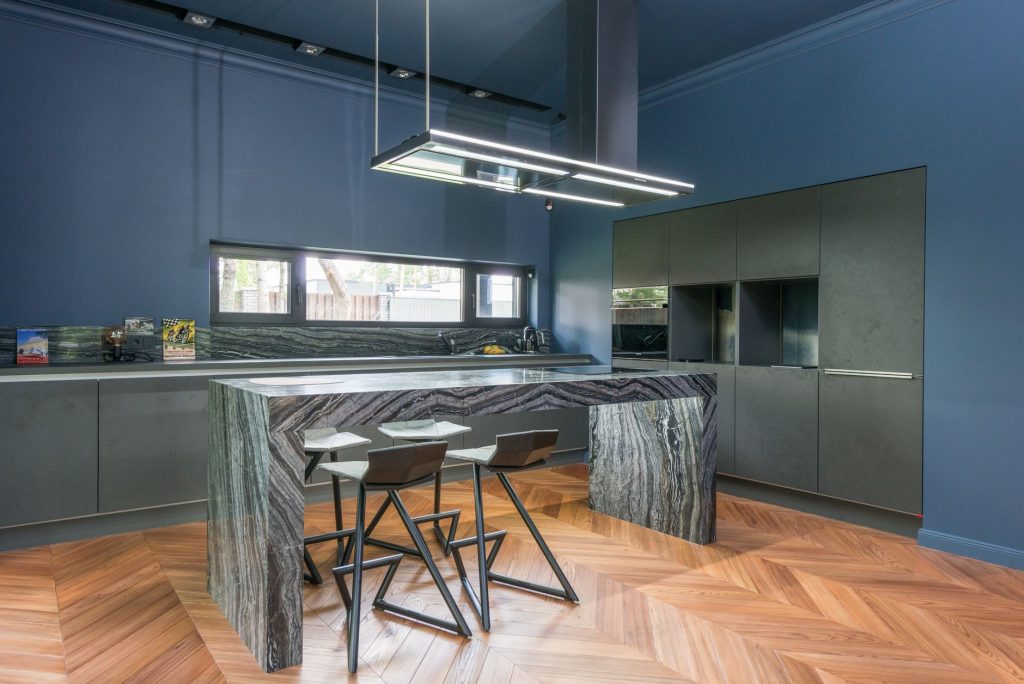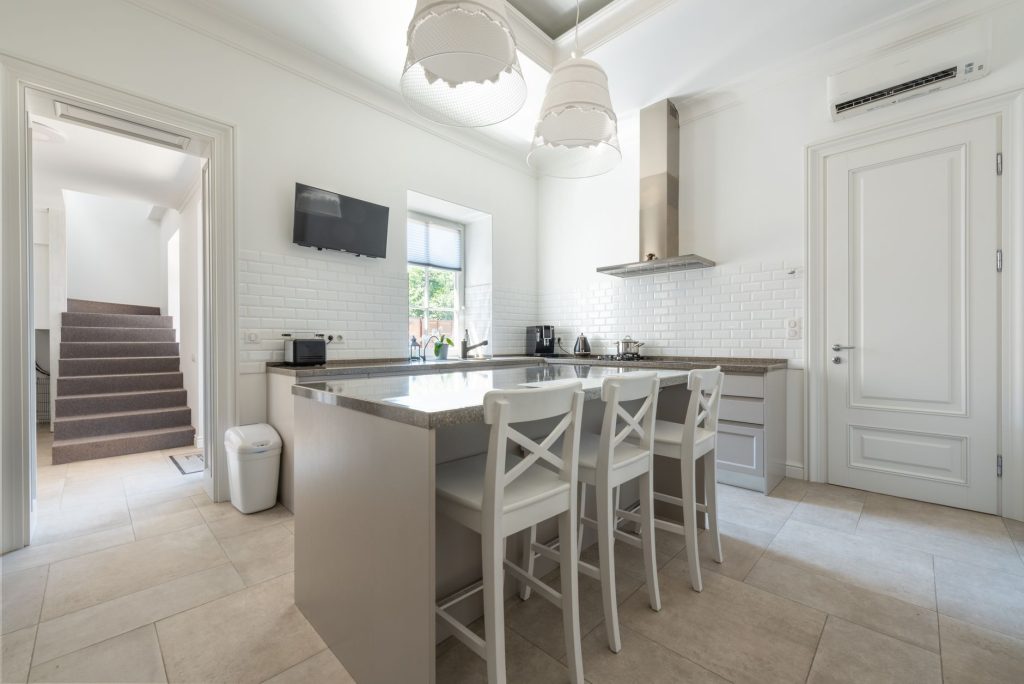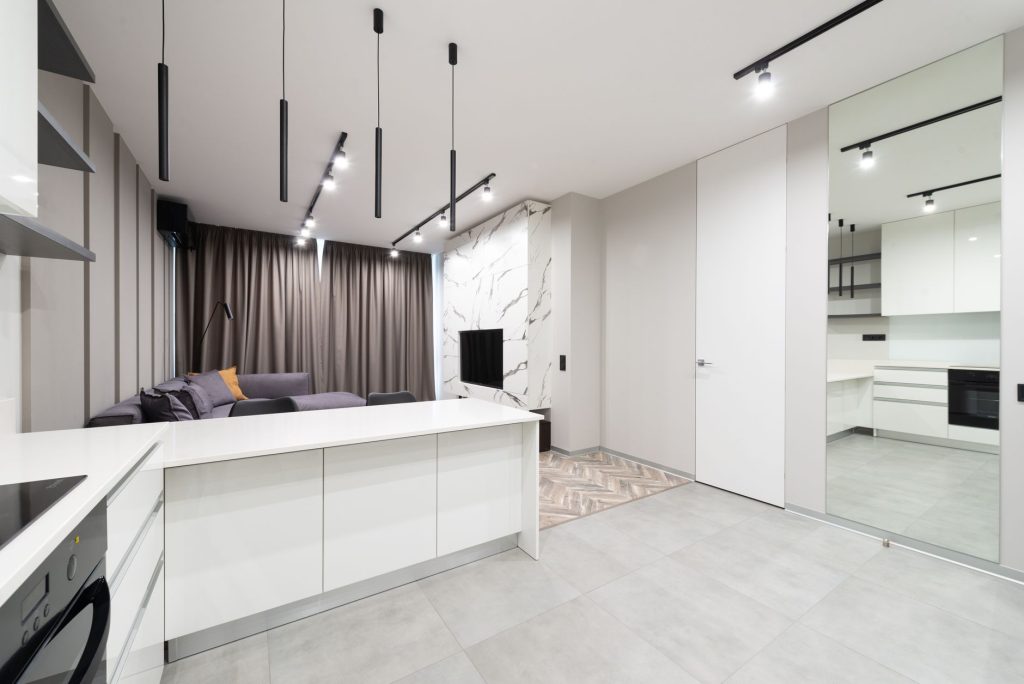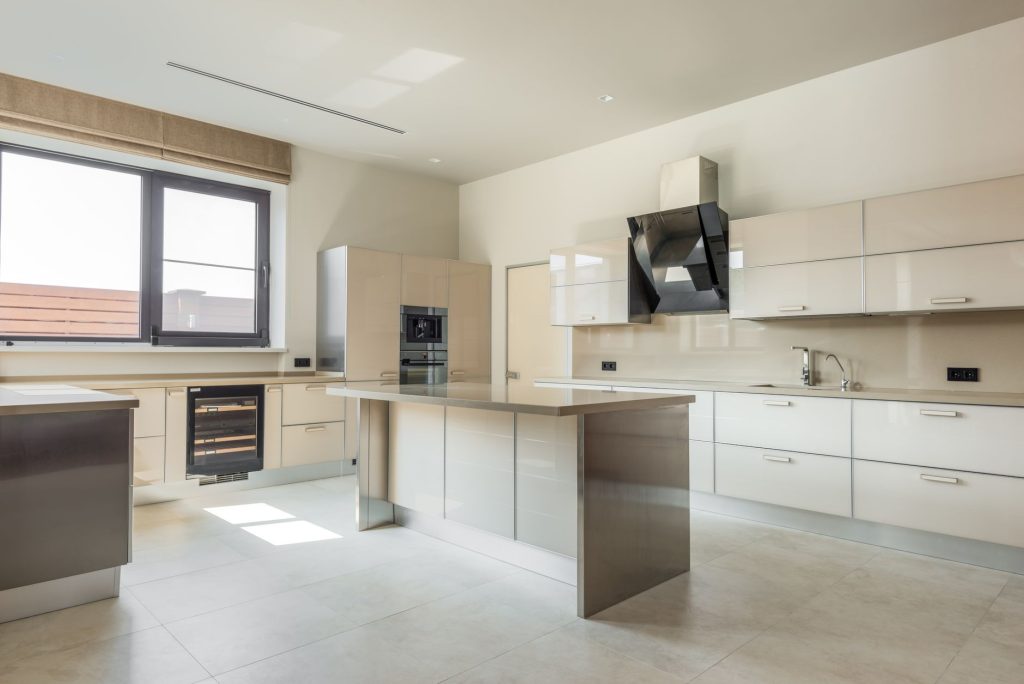

Walk through any new build or renovated home in Sydney’s inner west or northern suburbs and you’ll notice a common thread: clean, uninterrupted cabinetry fronts with no visible handles in sight. Handleless kitchens have become one of the most requested styles for homeowners wanting a contemporary, minimalist look that feels timeless rather than trend-driven. But is a handleless kitchen the right choice for your home? Here’s what you need to know before you commit.
What Is a Handleless Kitchen?
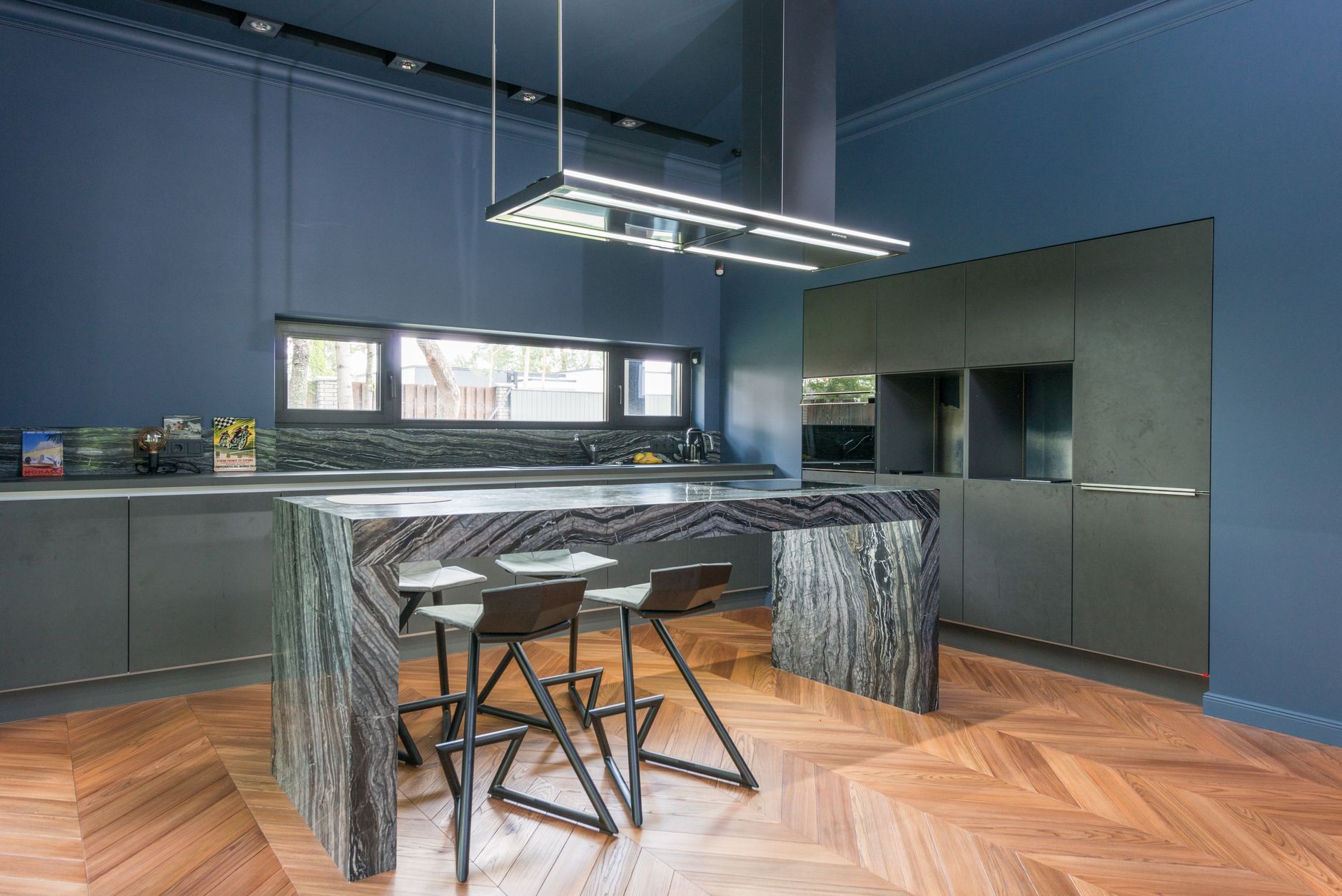
A handleless kitchen replaces traditional knobs and pulls with alternative opening mechanisms. This is typically achieved through a recessed rail or channel (often called a J-pull or gola profile), push-to-open mechanisms, or integrated finger grooves milled directly into the cabinetry. The result is a smooth, seamless run of cabinetry that reads as one continuous surface rather than a series of individual doors and drawers.
The Pros of a Handleless Kitchen
A Sleek, Streamlined Aesthetic
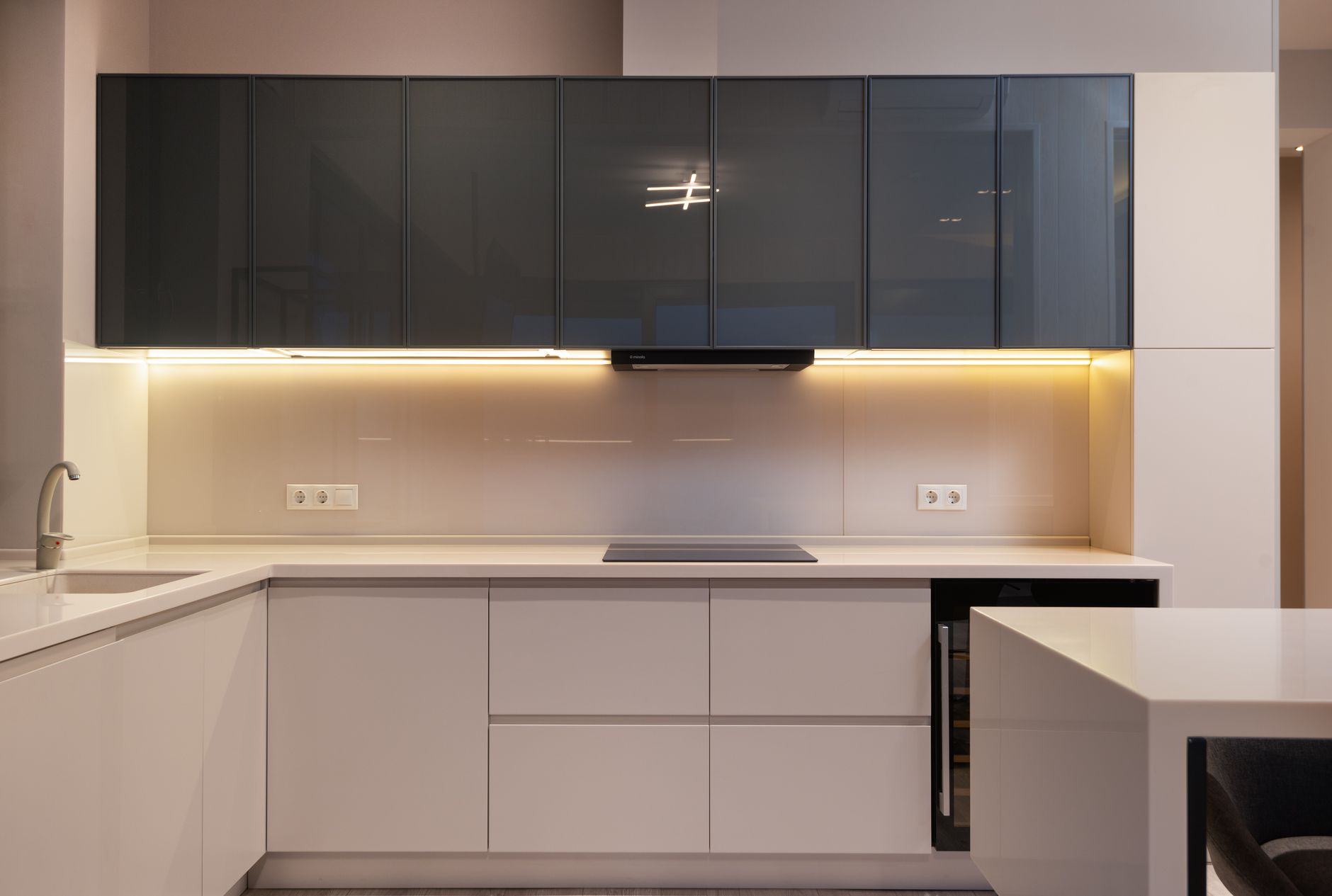
The biggest drawcard is the visual impact. Handleless designs suit the open-plan living popular in Sydney homes, particularly in newer builds and renovated terraces where kitchens flow directly into dining and living zones. Without hardware breaking up the cabinetry lines, the kitchen feels calmer, more cohesive and often larger than it is.
Easier to Keep Clean
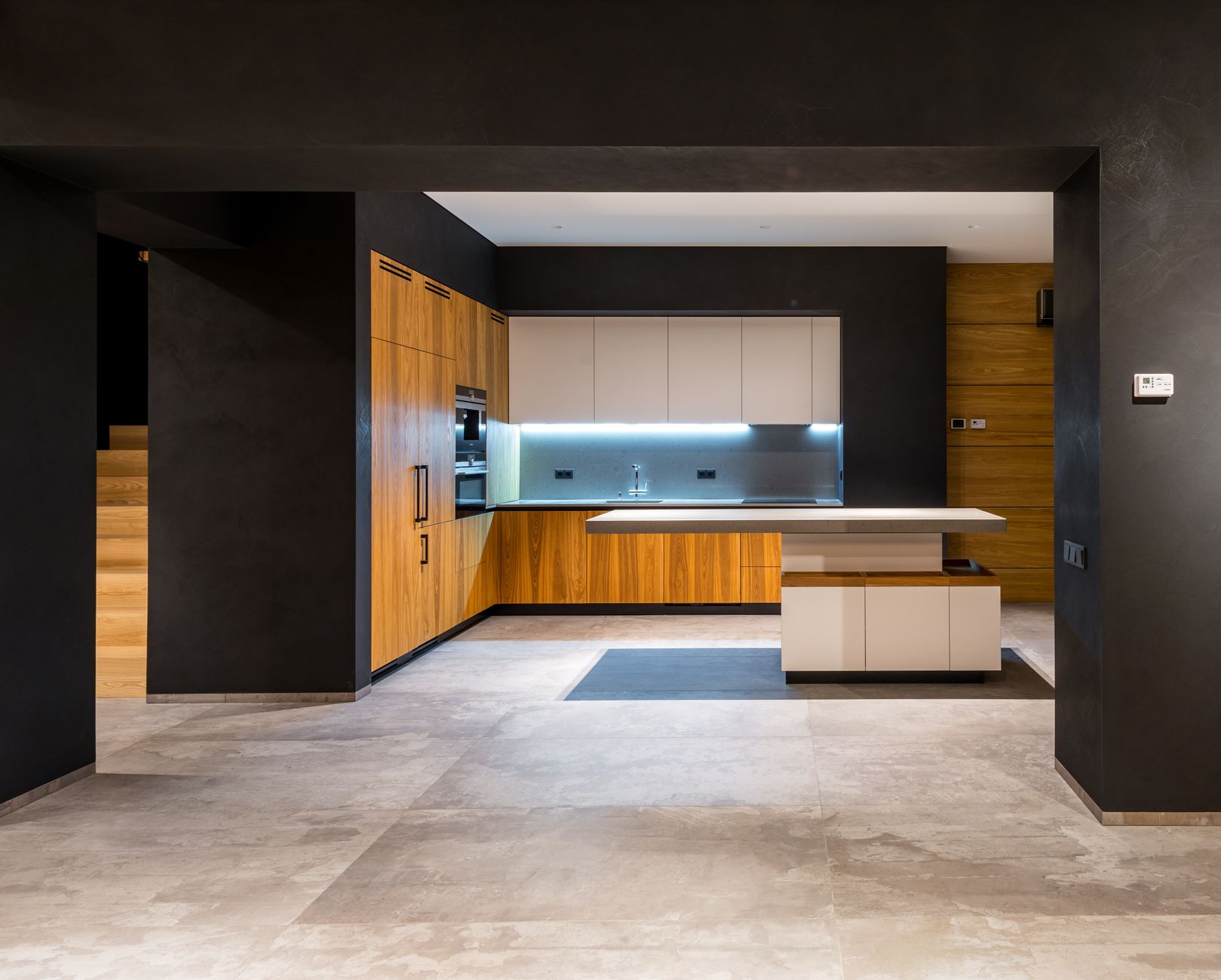
Handles are notorious for collecting grime, fingerprints and food residue. Removing them from the equation means fewer nooks for dirt to hide in, which is a genuine practical benefit for busy families.
Fewer Snag Points
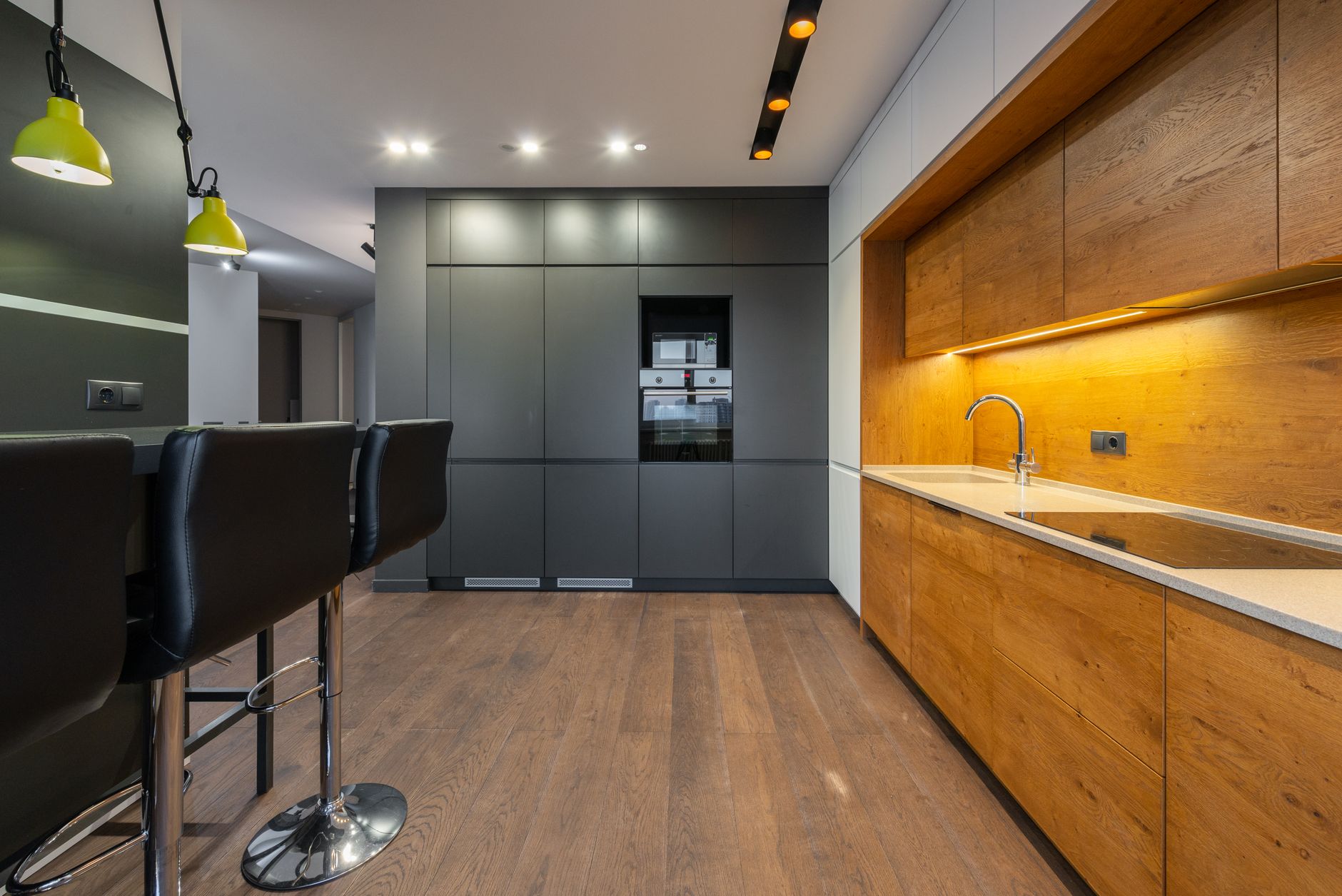
In narrower galley kitchens or high-traffic homes with young children, protruding handles can catch on clothing or pose a minor safety hazard. A handleless profile reduces these snag points, making it a sensible option for compact Sydney kitchens where every centimetre of walking space counts.
Timeless Appeal
Where hardware trends can date a kitchen quickly, a well-executed handleless design tends to age gracefully. It pairs equally well with warm timber tones, stone benchtops or bold matte cabinetry, giving you flexibility if you update your colour scheme down the track.
The Cons to Consider
Higher Upfront Cost
Handleless systems generally require more precise cabinetry construction and specialised hardware such as push-to-open mechanisms or integrated rails, which can add to your overall budget compared to standard handle fittings.
Maintenance of Push Mechanisms
Push-to-open systems have moving parts that, over time and with heavy use, may need adjustment or replacement. It’s worth discussing warranty terms and long-term servicing with your kitchen designer before you commit.
Less Forgiving of Wear
Because handleless doors rely on finger pulls or grooves, repeated contact around the same area can show fingerprints and smudges more visibly on darker or high-gloss finishes. Matte finishes tend to hide this better.
Accessibility Considerations
For households with elderly residents or anyone with limited grip strength, recessed or push-to-open mechanisms can be slightly harder to operate than a traditional handle. This is worth factoring in if you’re designing a forever home.
Design Tips for a Handleless Kitchen That Works
Choose the Right Opening System for Your Lifestyle
Gola rails and J-pulls suit high-use kitchens well because there’s no mechanical part to wear out. Push-to-open systems offer a completely seamless look but require a gentler touch and periodic maintenance, so think about who uses your kitchen daily before deciding.
Balance Minimalism with Warmth
A fully handleless kitchen can feel stark if every surface is flat and glossy. Many Sydney homeowners are pairing handleless cabinetry with textured stone benchtops, timber veneer accents or a feature splashback to keep the space feeling inviting rather than clinical.
Think About Storage Zoning
Because there’s no visual break created by handles, it’s worth working with your designer to plan clear zones for pantry, cooking and cleaning areas so the kitchen still feels functional and intuitive, not just visually streamlined.
Consider Finish and Colour Carefully
Matte finishes in soft neutrals, sage greens and warm greys remain popular choices across Sydney renovations, largely because they hide fingerprints and light scuffs better than high-gloss alternatives.
Get the Lighting Right
Recessed handle profiles and push mechanisms can create subtle shadow lines. Under-cabinet lighting and well-placed downlights help highlight your cabinetry’s clean profile rather than leaving it looking flat or underlit.
Is a Handleless Kitchen Right for Your Sydney Home?
Handleless kitchens suit homeowners who love a contemporary, low-maintenance look and are prepared to invest slightly more upfront for that seamless finish. They work particularly well in open-plan living spaces, apartments and homes where a clean, uncluttered aesthetic is a priority. If you’re renovating a family home with older residents or want the lowest possible maintenance over decades of use, it’s worth having an honest conversation with your designer about which opening mechanism will genuinely suit your household.
Get Expert Advice on Your Kitchen Renovation
Every home and every household is different, which is why a one-size-fits-all approach rarely works for kitchen design. The team at Kenwood Kitchens has helped homeowners across Sydney weigh up the pros and cons of handleless designs, matching the right cabinetry, hardware and finishes to their lifestyle and budget. If you’re considering a handleless kitchen or simply want expert guidance on your renovation, contact Kenwood Kitchens today to start the conversation.