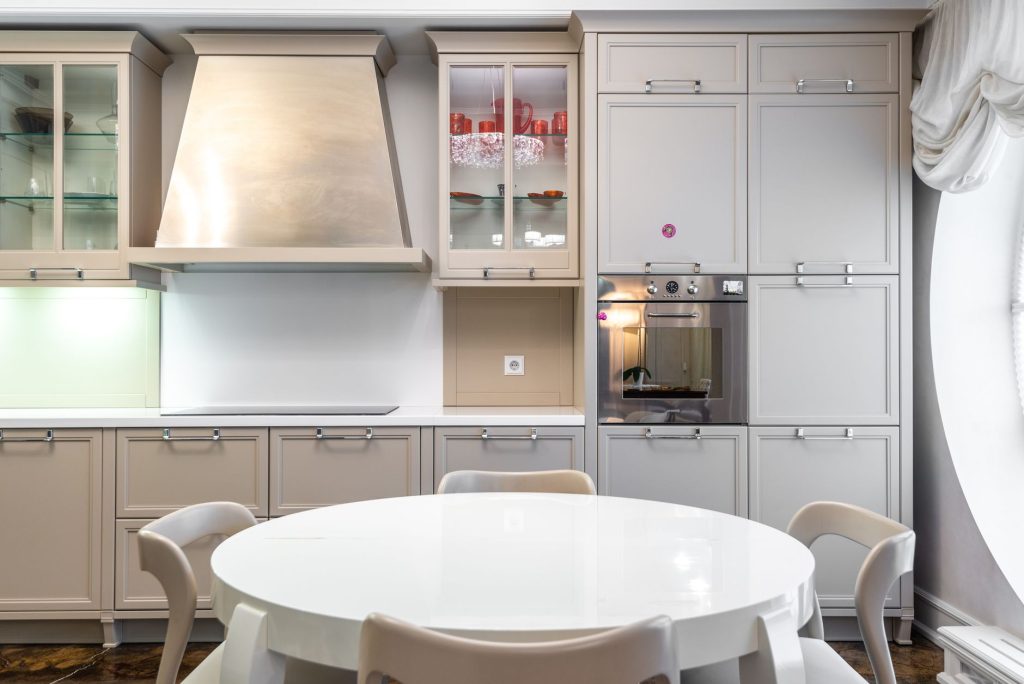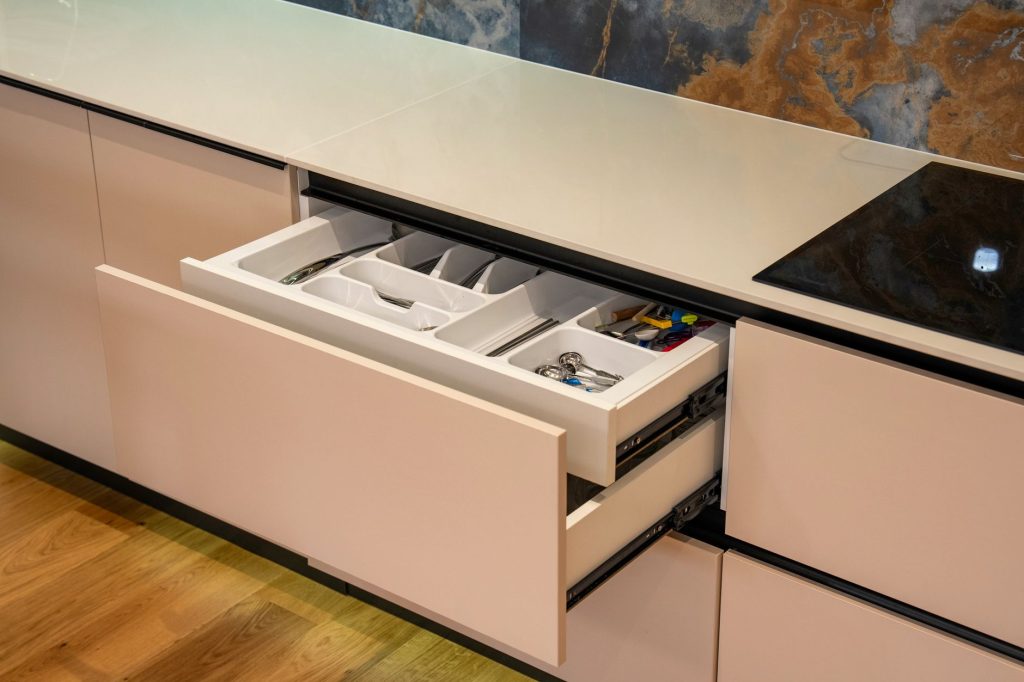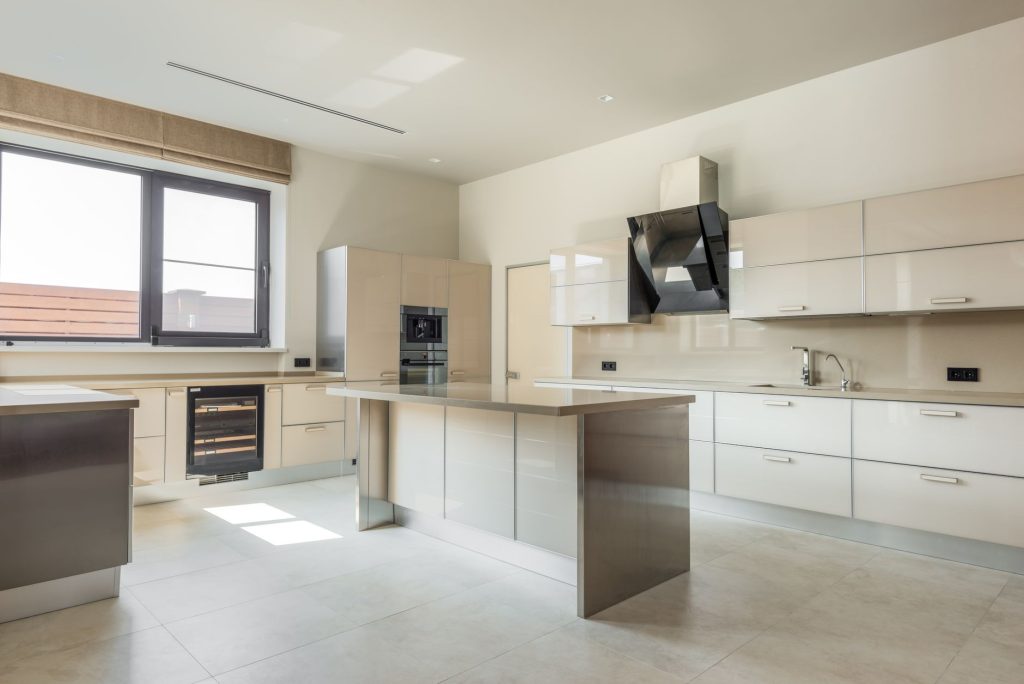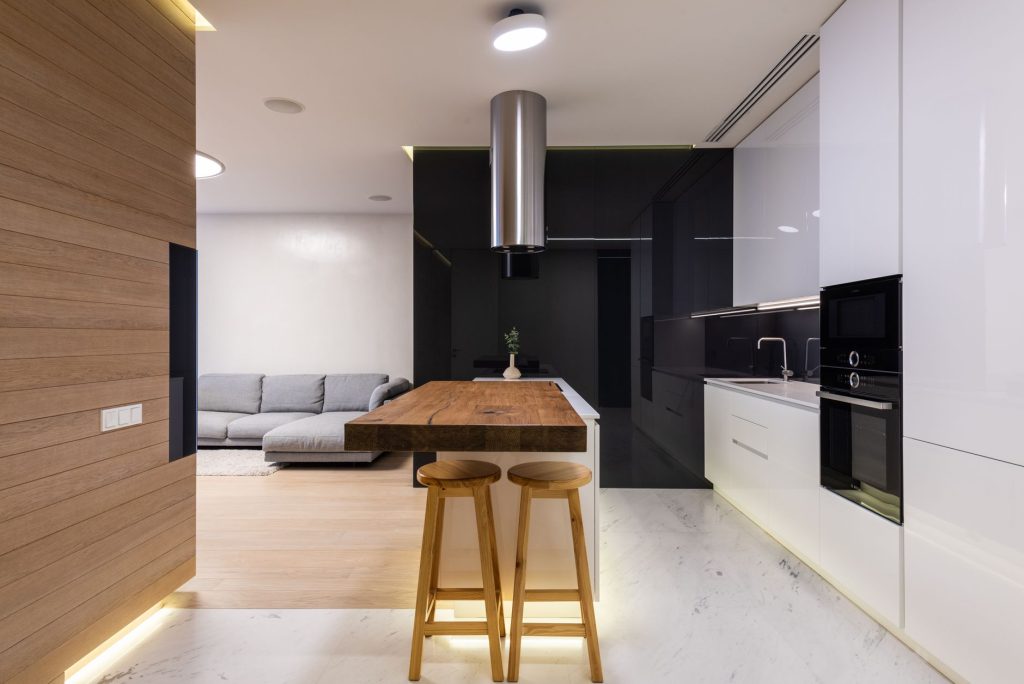
White kitchens still sell houses faster in Sydney. Walk through any open home from Mosman to Marrickville and you’ll notice the pattern: agents push white, buyers respond to white, and photographers light it beautifully for the listing. That’s not fashion talking — it’s what happens when a kitchen needs to appeal to the widest possible pool of strangers in the shortest possible time.
But “should I go white?” is the wrong question if you’re renovating to actually live in the house for the next ten or fifteen years. The right question is whether you’re designing for resale or for yourself — because those two briefs produce very different kitchens.
Why white still wins on paper
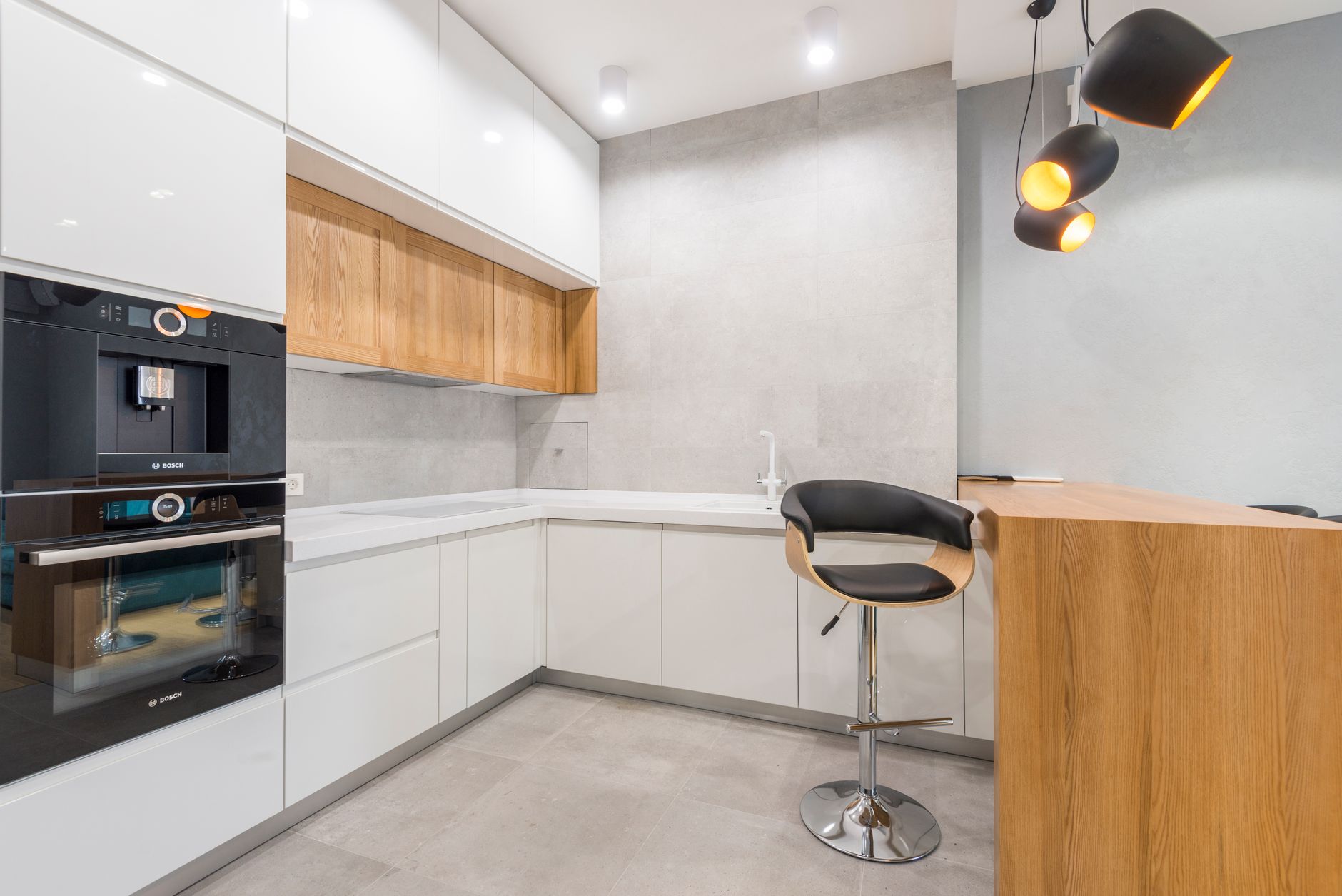
White cabinetry photographs well, it makes small kitchens feel bigger, and it doesn’t date the way a bold colour trend can. A white kitchen in a Federation terrace in Paddington reads timeless. A mustard one reads like 2022.
There’s also a practical sales reason agents love it: white is inoffensive. Buyers can project their own taste onto it. A navy island or a forest green run of cabinetry forces a buyer to either love it or mentally budget for a new kitchen before they’ve even made an offer. White removes that friction.
If you’re on the North Shore or in the eastern suburbs and you know you’ll sell within five years, white (or an off-white like a soft dove or oyster) is still the lowest-risk choice. We’d say the same thing to a client in Castle Hill as we would in Vaucluse.
Where colour actually earns its keep
Here’s where we’ll push back on the “always go white” advice you’ll read everywhere else. Colour done well doesn’t hurt resale — it just needs to be considered, not trendy.
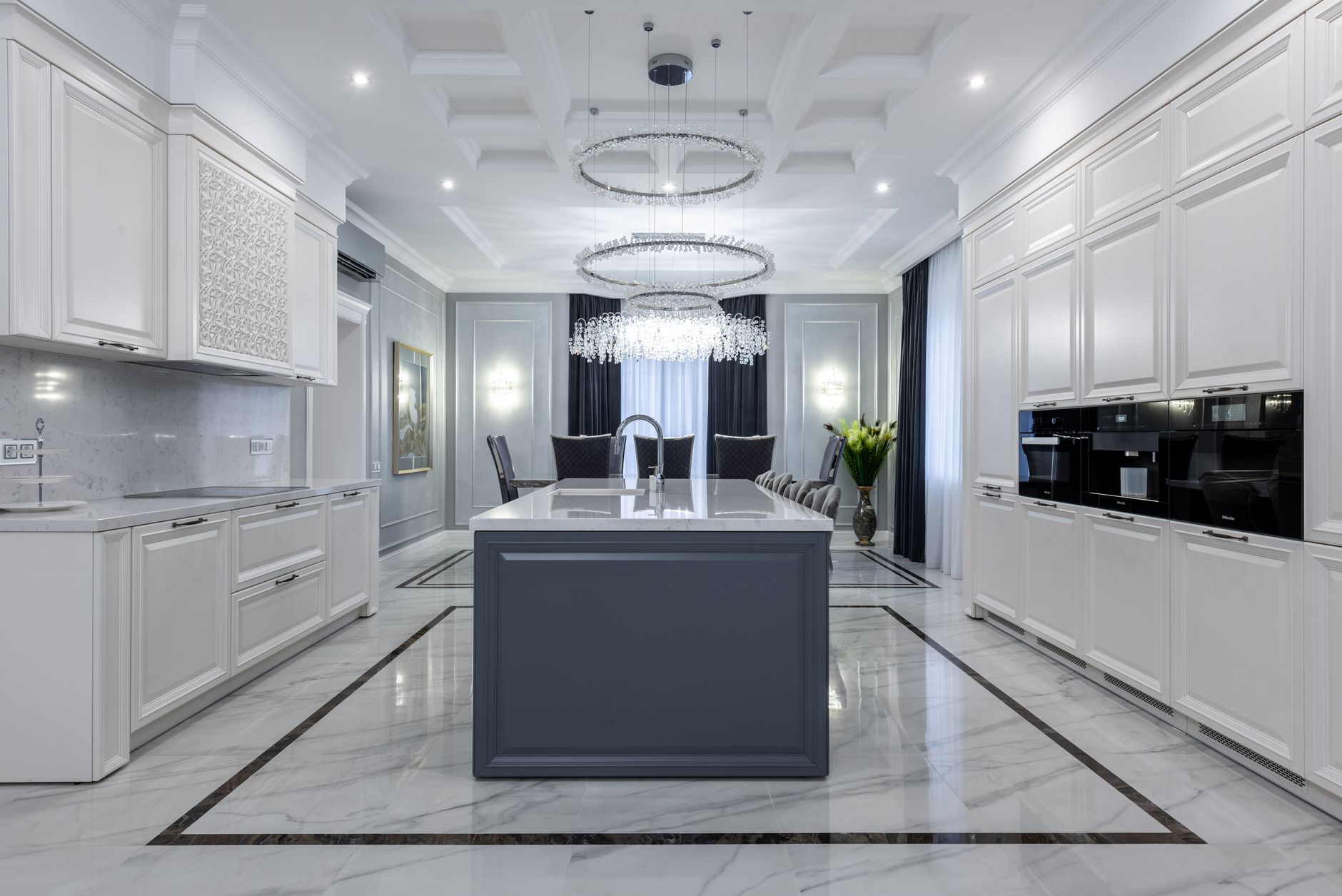
A deep green or charcoal base cabinet with a stone benchtop and white uppers reads as deliberate and high-end, not risky. We’re seeing this combination land well in renovated Inner West terraces — Enmore, Newtown, Marrickville — where buyers expect a bit of personality and a kitchen that looks exactly like a project builder ticked a box feels out of place.
Colour also works when it’s used with restraint. One coloured element — an island, a splashback tone, a tapware finish — gives you character without committing the whole room. That’s a very different bet to painting every cabinet door the same bold shade.
The practicality nobody mentions
White shows everything. Every fingerprint, every splash of tomato sauce, every bit of dust that settles on a handle. If you’ve got kids, or you cook often and hard, a flat matte white door will show wear faster than almost any other finish. Textured or satin finishes help. Gloss white hides less than people assume — it actually highlights smudges under kitchen downlights.
Darker colours and mid-tones hide daily living much better. A charcoal or deep navy cabinet will go years without looking tired. If practicality for a busy household matters more to you than resale optics, that’s a legitimate reason to move away from white — not a compromise.
What Sydney buyers actually want right now
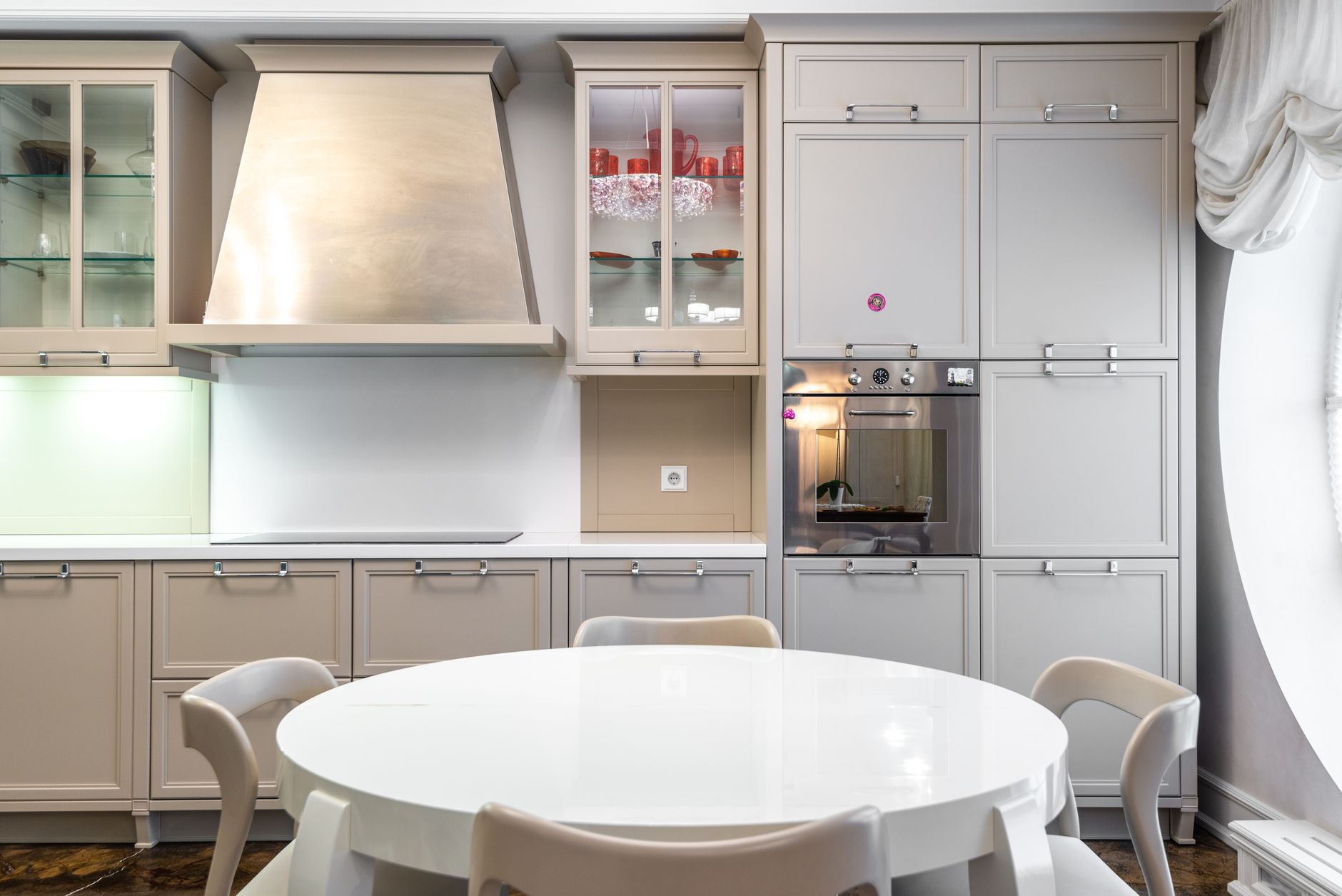
Buyers aren’t asking for stark white laboratory kitchens anymore. What’s selling well across Sydney is warmth: white or warm neutral cabinetry paired with timber tones, stone benchtops with visible veining, and brass or brushed bronze hardware instead of chrome. It’s white, but it’s not cold.
Two-tone kitchens have become the compromise most buyers respond to — lighter uppers, a contrasting base in a muted colour like sage, clay or charcoal. It gives a kitchen presence without scaring off the next buyer. We’ve fitted a good number of these across Double Bay and the lower North Shore in the past couple of years, and they consistently photograph and sell well.
Our honest take
If resale in the next few years is genuinely your priority, go white or warm neutral, add texture through timber and stone, and keep any colour to one considered element. If you’re renovating because you actually want to enjoy cooking in this kitchen for a decade, don’t let resale anxiety talk you out of a colour you love. A well-executed coloured kitchen, built properly with quality joinery, adds more to a home’s appeal than a flat, forgettable white one ever will.
The finish matters less than the execution. A cheap white kitchen looks cheap. A well-detailed colour kitchen looks custom. That’s the difference buyers and valuers actually respond to.
If you’re weighing up white against colour for your own renovation, it’s worth talking through the specifics of your home, your street and your timeline before you commit to a door colour. Contact Kenwood Kitchens today and we’ll help you figure out what’s actually going to work for your kitchen, not just what’s trending on Instagram.