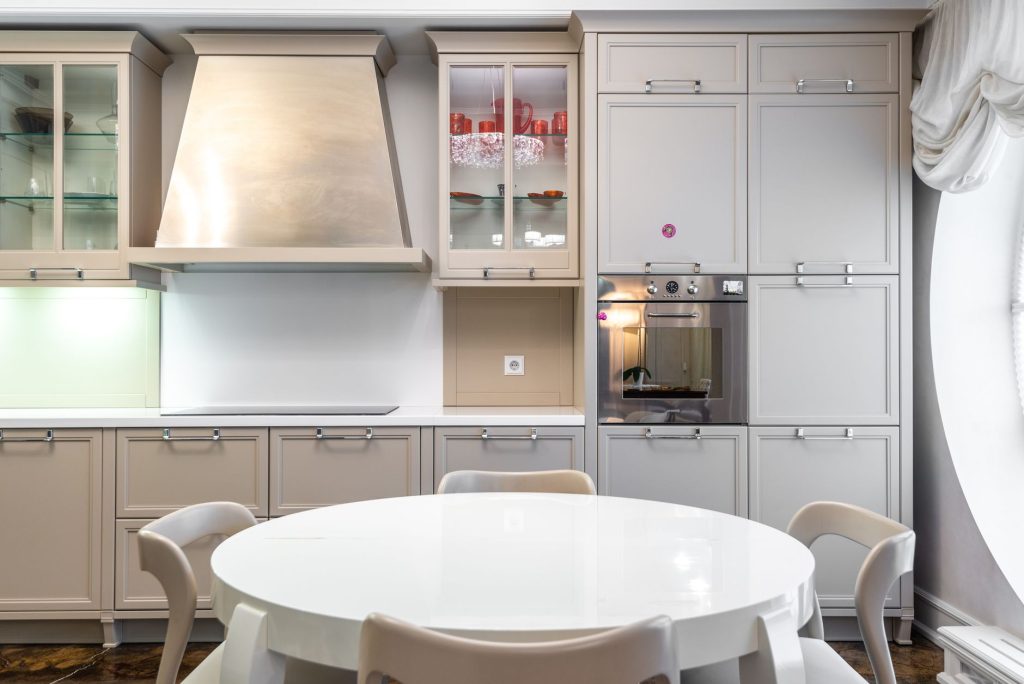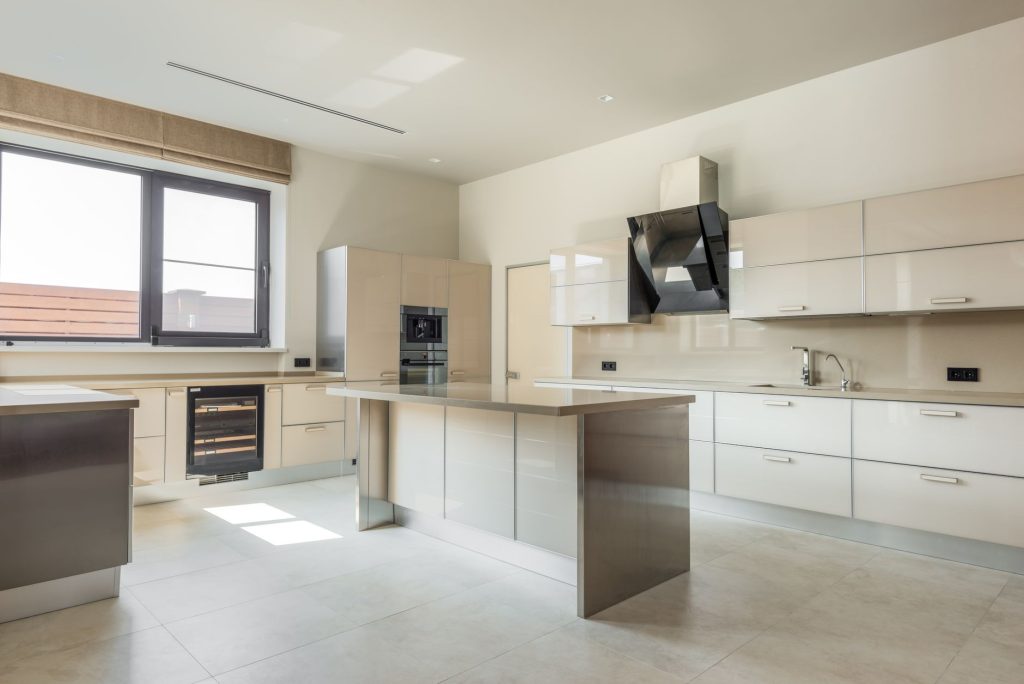
Walk into ten new kitchens across Sydney and eight of them will be some version of a shaker. White or off-white cabinetry, a square recessed panel door, brushed brass or black hardware, a stone island with a waterfall edge. It’s become the default setting for renovations from Cremorne to Camperdown, and there’s a good reason for that. The bigger problem is that so many of them are indistinguishable from each other.
I’ve been designing kitchens in this city long enough to watch the shaker style go from a considered, classic choice to something close to a template. That’s not a knock on the style itself — it’s still the right call for most homes. It’s a knock on how lazily it’s often being executed.
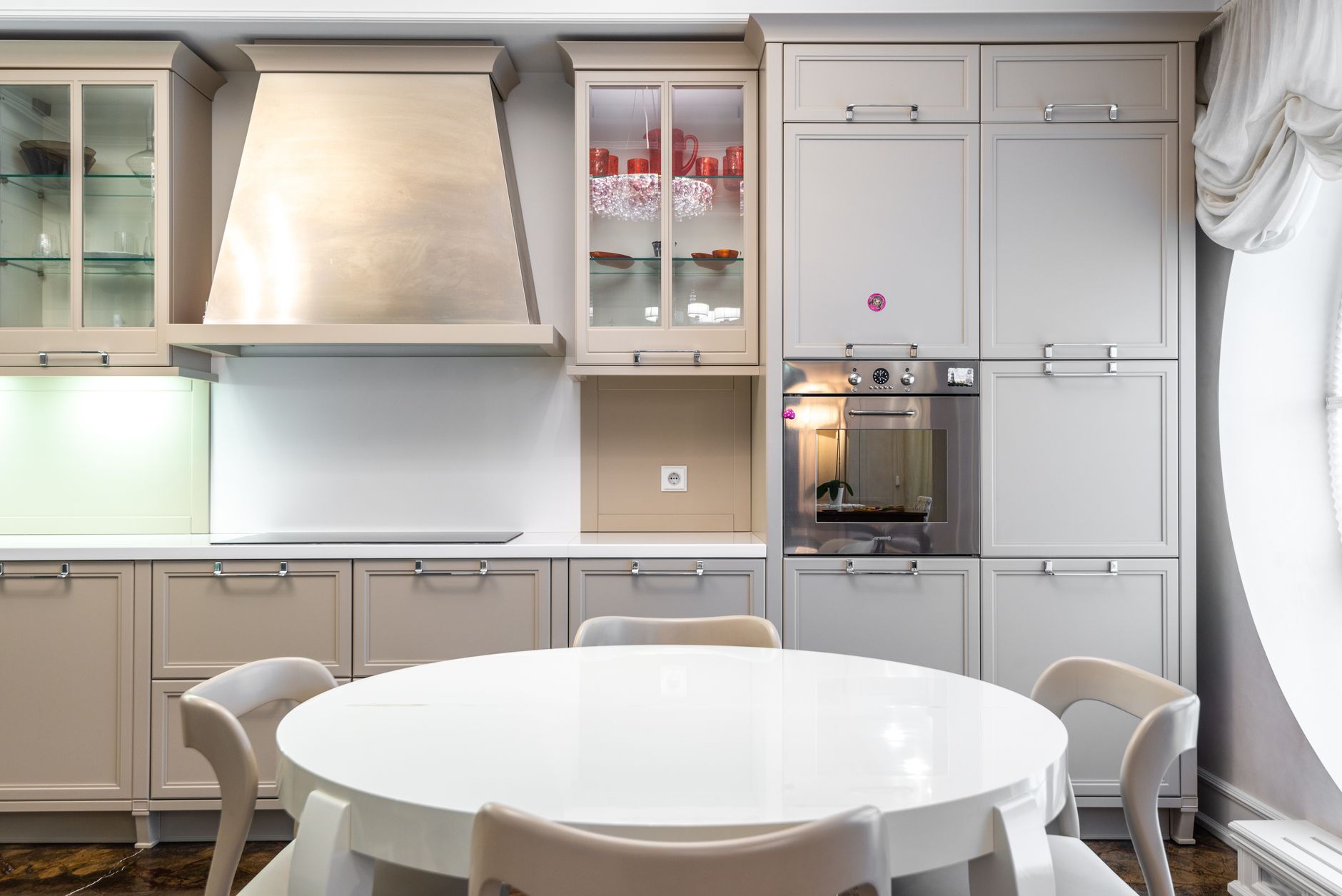
Why shaker kitchens keep winning
The shaker door has survived every design cycle since it was first built by actual Shakers in 18th century America, and it’s not nostalgia keeping it alive in 2026. It’s proportion. The recessed centre panel and flat frame create a simple grid that works with almost any splashback, benchtop or flooring you put near it. It doesn’t fight with the rest of the room.
It’s also forgiving on resale. Buyers in Mosman and Lane Cove aren’t walking into an auction and being put off by a shaker kitchen the way they might be by a heavily stylised handleless gloss number from 2015. It photographs well, it ages well, and tradies know how to build and repair it without drama.
Practically, it’s also one of the more cost-sensible door profiles to produce well. The joinery is straightforward enough that you’re paying for material and finish quality rather than complicated machining, which means your budget can go toward better hardware, stone, or storage fittings instead.
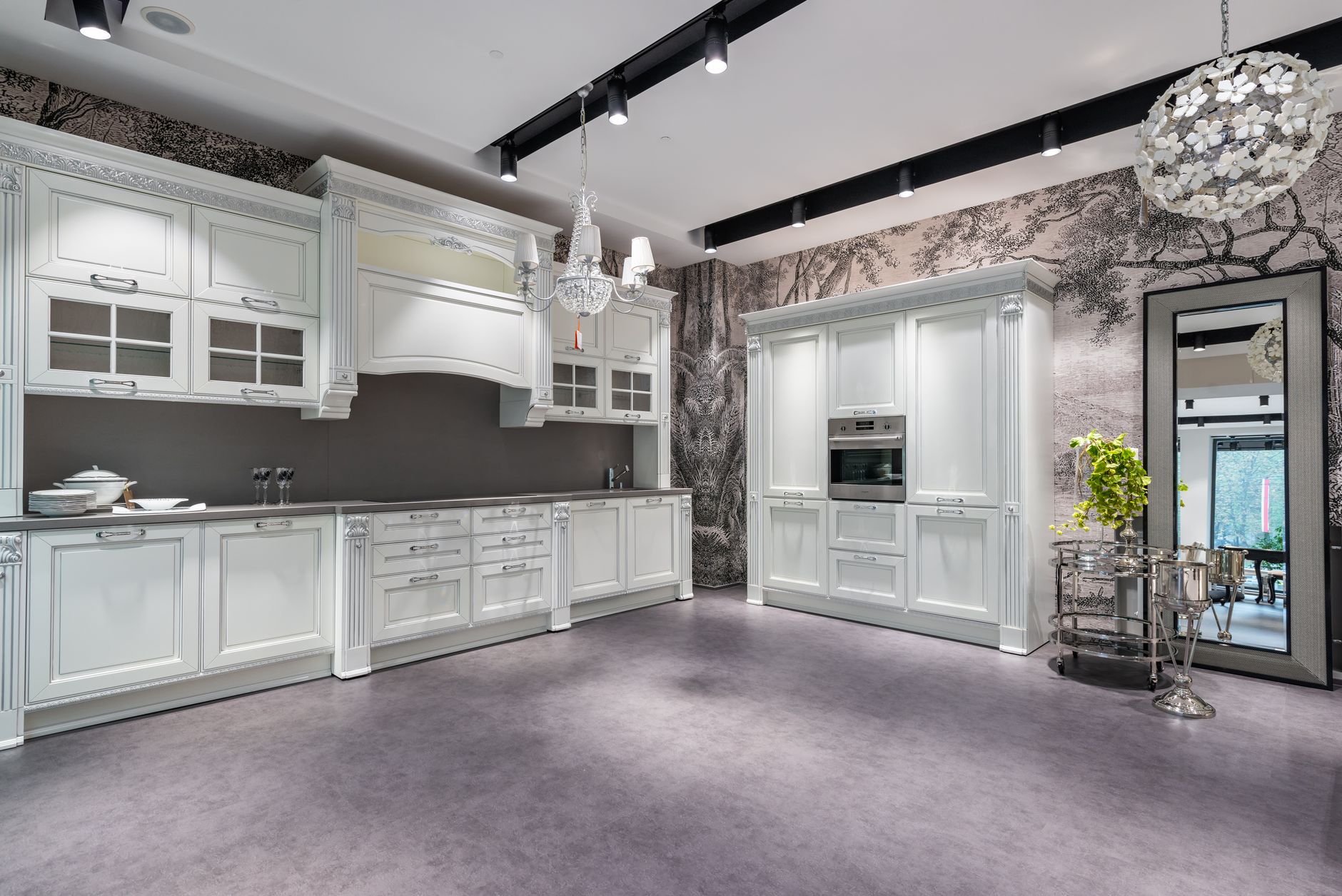
So why do they all look the same?
Because most homeowners — understandably — go straight to Pinterest or Instagram, save forty images of the same white shaker kitchen with brass tapware, and hand that straight to their builder. There’s nothing wrong with using references. The problem is stopping there.
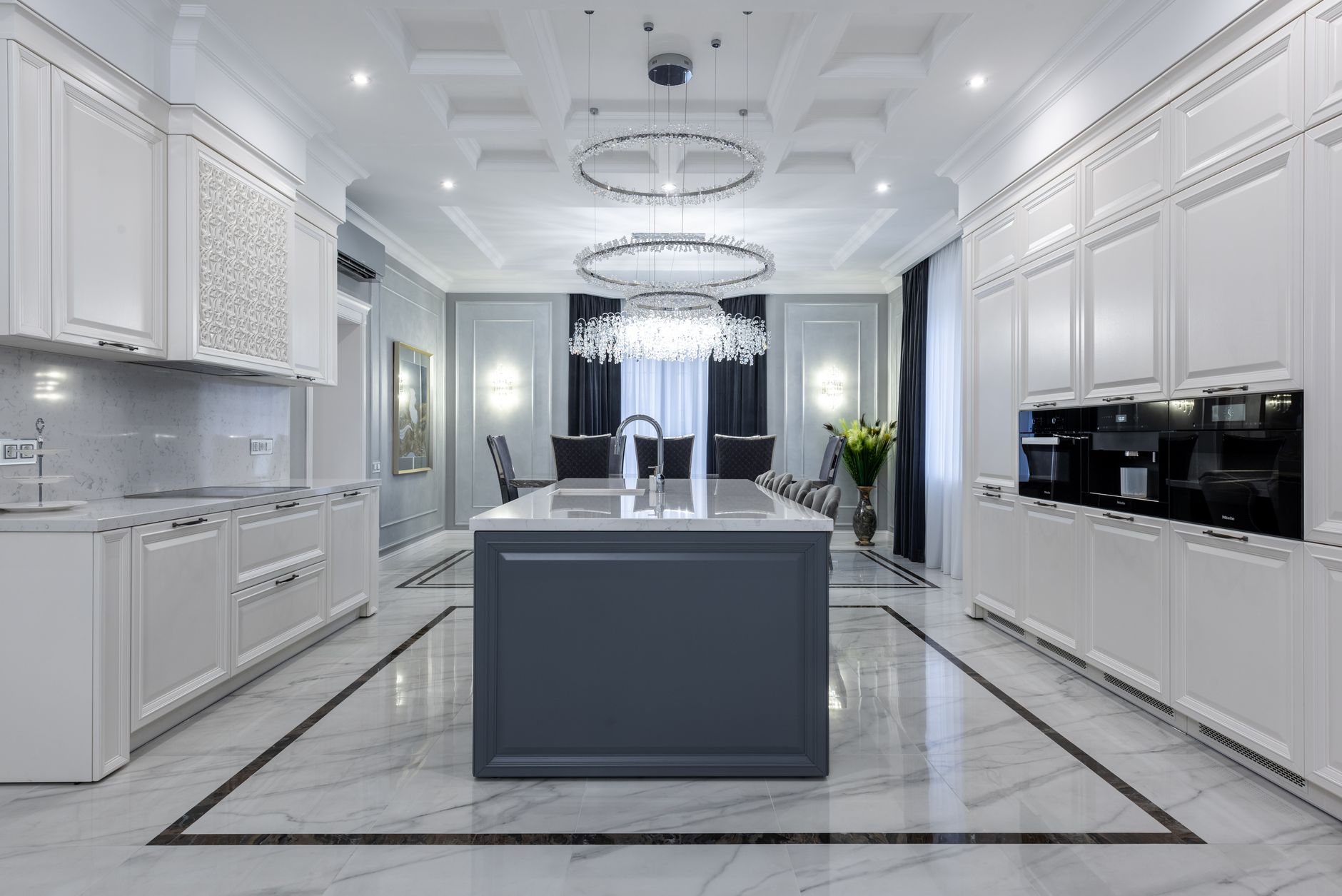
A shaker door is a shape, not a finished kitchen. Everything else — colour, handle style, benchtop, joinery details, hardware finish, even the ratio of the door panel — is where the actual design decisions happen. Skip those decisions and you end up with a kitchen that looks like it was ordered from a catalogue, because in a lot of cases, it was.
Colour is the easiest lever to pull
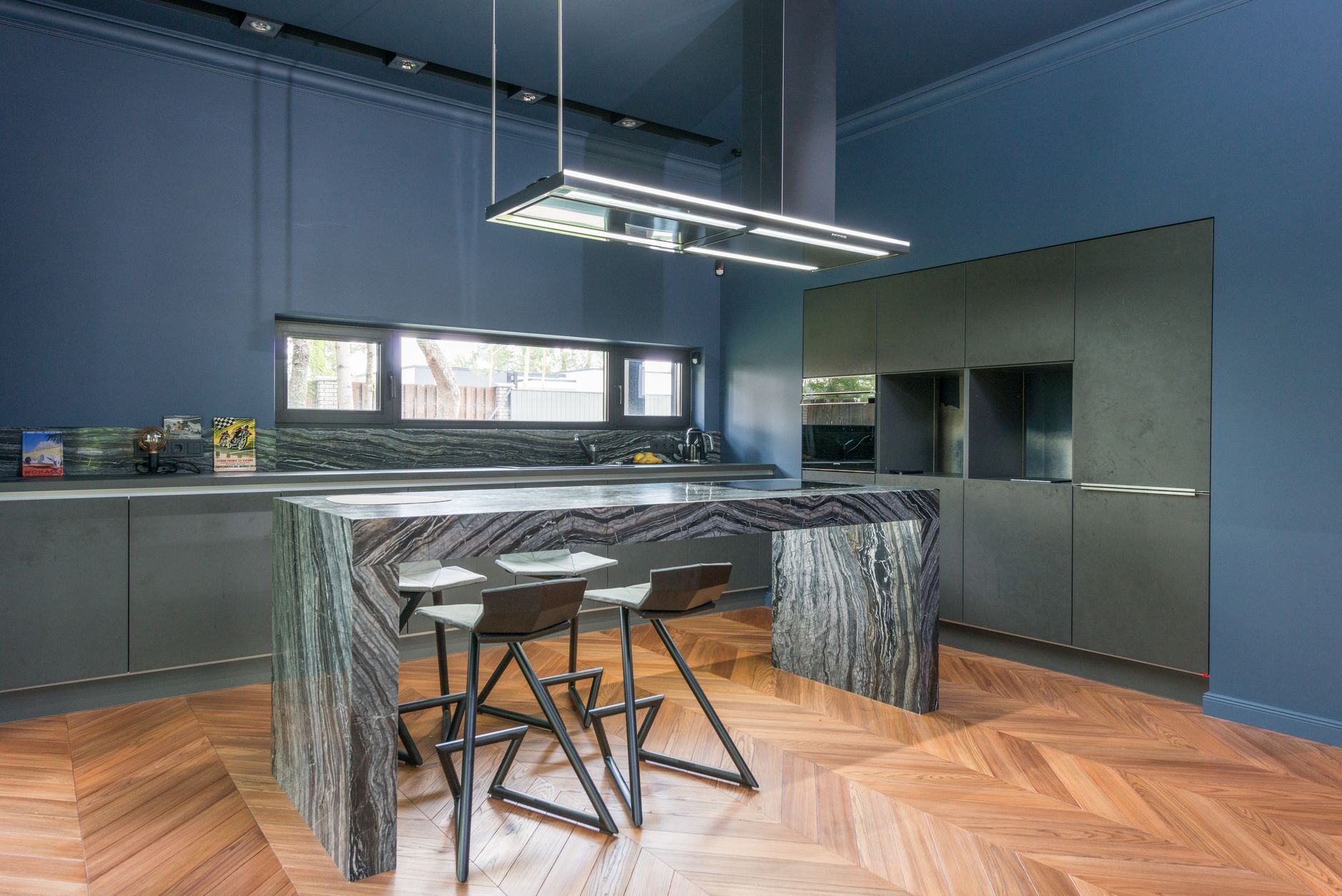
White shaker is safe. It’s also everywhere. If you want a kitchen with some character, look at deep olive, charcoal, warm terracotta or a soft clay tone instead. In a Paddington terrace with ornate cornices and dark timber floors, a sage or ink-blue cabinet can sit far more comfortably than another white box ever will. Two-tone kitchens — dark lower cabinets with a lighter upper run, or an island in a contrasting colour to the perimeter — are a reliable way to add depth without going anywhere near trend-chasing.
Get the proportions right
Not all shaker doors are created equal. A wide, chunky frame reads traditional and a touch heavier, which suits a Federation home in the Inner West. A narrow, tight frame feels more contemporary and works well in newer builds on the North Shore. Get your designer to show you the actual door profile in person, not a stock photo, because the difference between a 70mm and 90mm frame changes the entire character of the room.
Hardware and finish do the heavy lifting
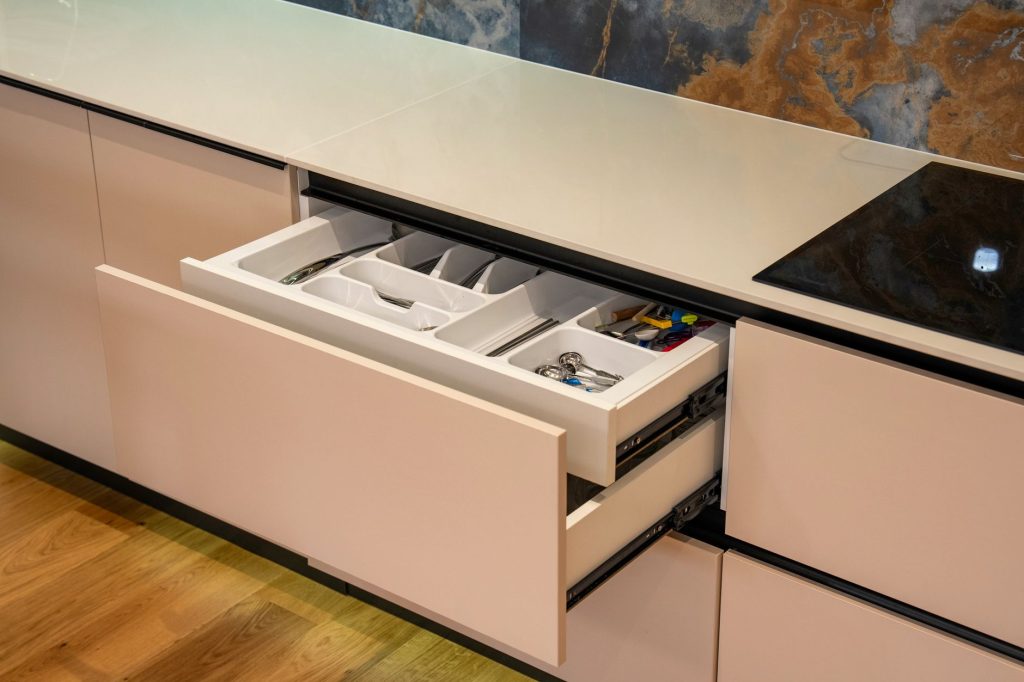
Everyone’s put brass handles on a white shaker kitchen. If you want yours to feel considered rather than copied, think about finger-pull or integrated edge profiles on at least some cabinetry, mix a matte black tap with brushed bronze cabinet pulls, or go handleless on the lower run and traditional on the uppers. Small decisions, large impact.
Don’t ignore the benchtop and splashback
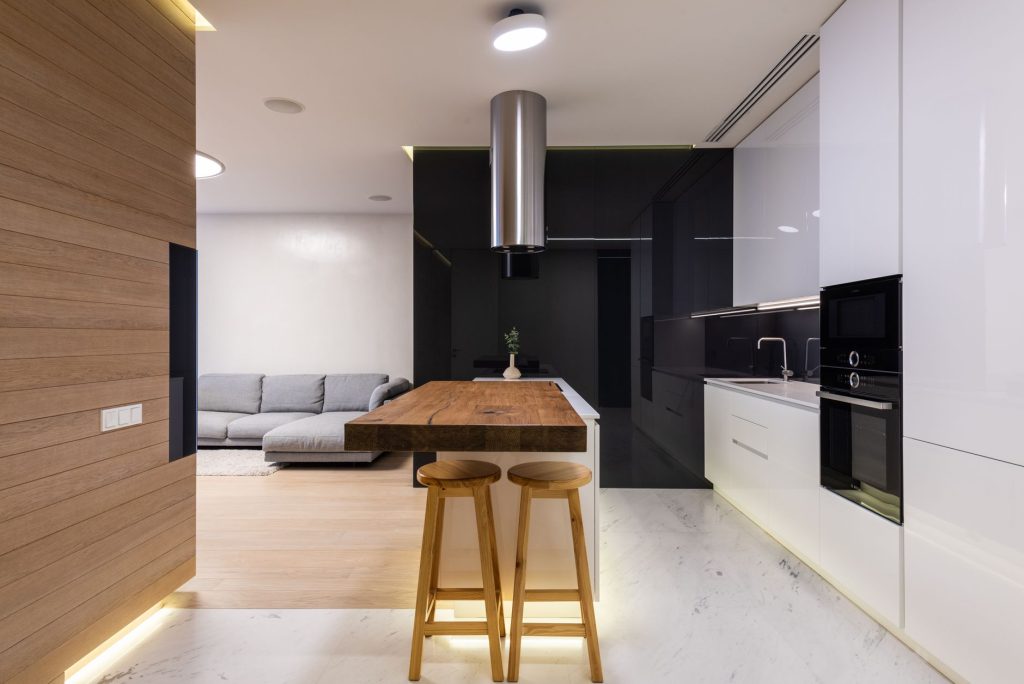
A shaker kitchen with a standard white stone benchtop and subway tile splashback is the most photographed combination in Sydney right now, which is exactly why I’d steer most clients away from it unless it genuinely suits the home. A honed stone with visible veining, a timber benchtop on the island, or a textured handmade tile splashback will do more to make your kitchen feel like yours than any amount of extra spend on the cabinetry itself.
Layout still matters more than the door style
None of this matters if the layout doesn’t work for how you actually cook and live. A beautifully detailed shaker kitchen with a bad workflow is still a bad kitchen. Get the island size, bench clearances and storage right first, then layer the style decisions on top. We see this go wrong constantly in homes around Double Bay and the Eastern Suburbs, where the kitchen looks magazine-ready but the owners can’t get two people in it comfortably.
Shaker kitchens aren’t going anywhere, and they shouldn’t. They’re a sound, flexible, timeless choice. Just don’t let that mean your kitchen ends up looking like the one three doors down. If you want a shaker kitchen that’s actually considered for your home, your home’s architecture and the way your family uses it, contact Kenwood Kitchens today and we’ll talk it through properly.