Walk into any kitchen showroom in Sydney and you’ll hear three terms thrown around like they’re interchangeable: 2-pack polyurethane, lacquer, and vinyl wrap. They’re not the same thing, and the difference matters a lot more than most renovators realise until they’re six months into living with cabinets that are already showing wear.
We’ve fitted all three finishes into kitchens from Mosman to Marrickville, and each one has a real job it does well — and a job it does badly. Here’s the honest version, without the showroom sales pitch.
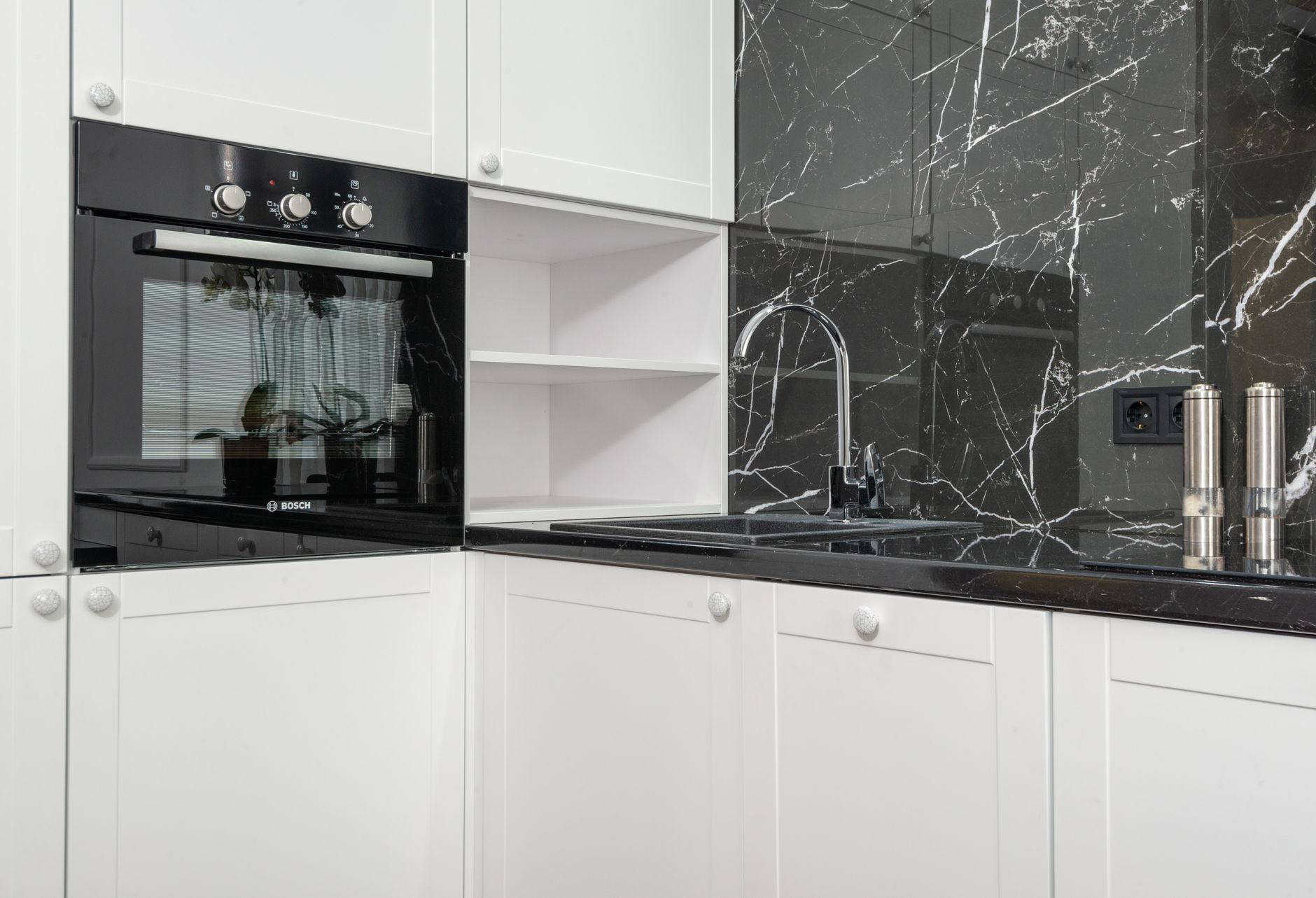
2-pack polyurethane: the one most designers actually choose
2-pack polyurethane (often just called “2-pack” or “2-pac”) is a catalysed paint finish sprayed onto MDF doors in a factory, then cured under controlled conditions. It’s a two-part chemical reaction — resin plus hardener — which is where the name comes from. Done properly, it produces a hard, glass-like surface that’s genuinely tough.
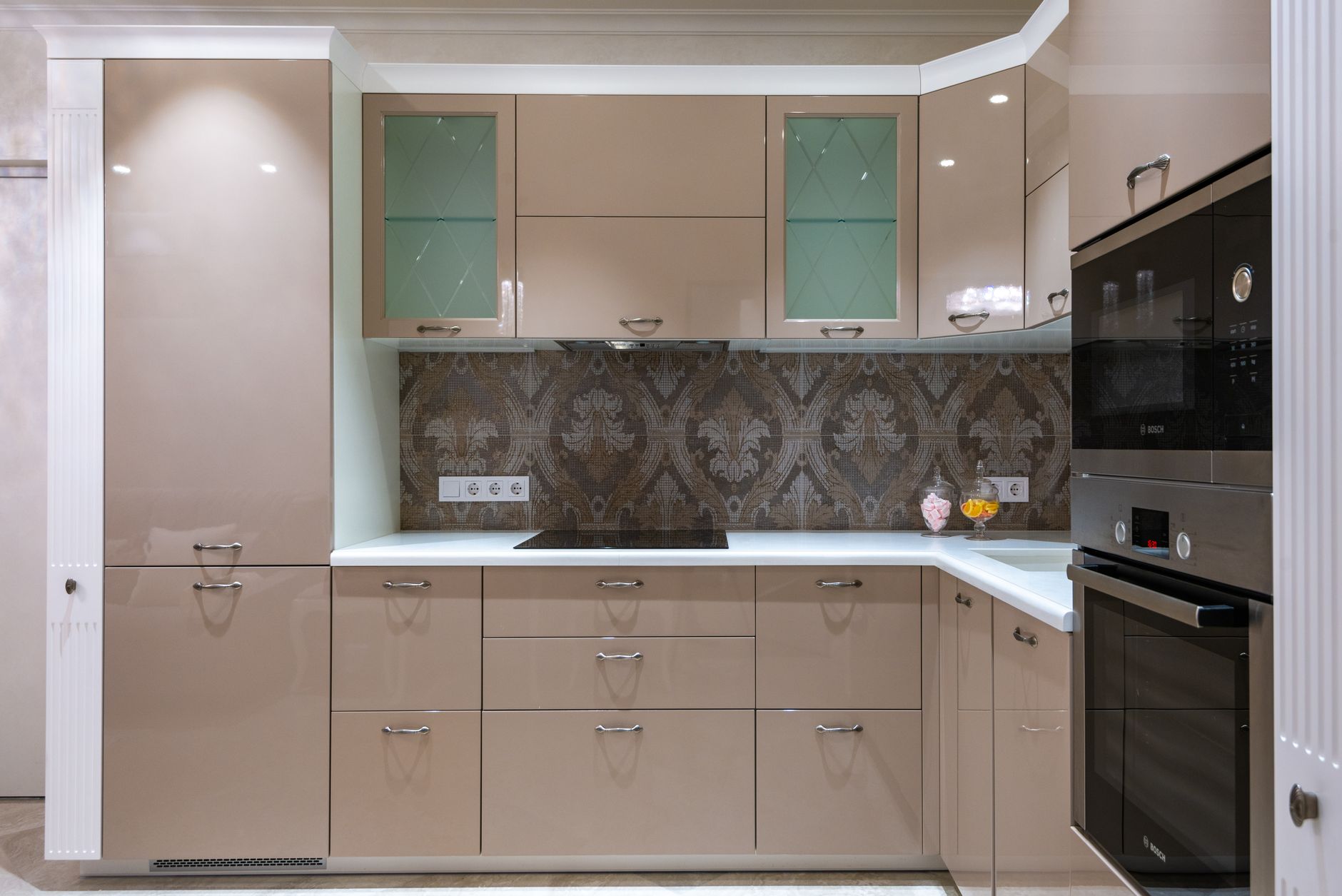
It’s the finish we recommend most often, and not because it’s the most expensive option on the list (it usually isn’t, once you compare it properly to vinyl). It’s because it holds up. Sydney kitchens cop a beating — steam from stovetops, humidity rolling in off the harbour in Double Bay and Rose Bay, kids leaning on doors with sticky hands. 2-pack shrugs most of that off if it’s sprayed well.
The downside? It chips. Not easily, but a dropped cast iron pan on a corner will leave a mark, and repairing a chip means re-spraying the whole door, not just touching up a scratch. It’s also only as good as the sprayer. A rushed, poorly cured 2-pack job will show brush marks, orange peel texture, or yellowing within a couple of years. This is a finish where the workshop matters more than the brand name on the tin.
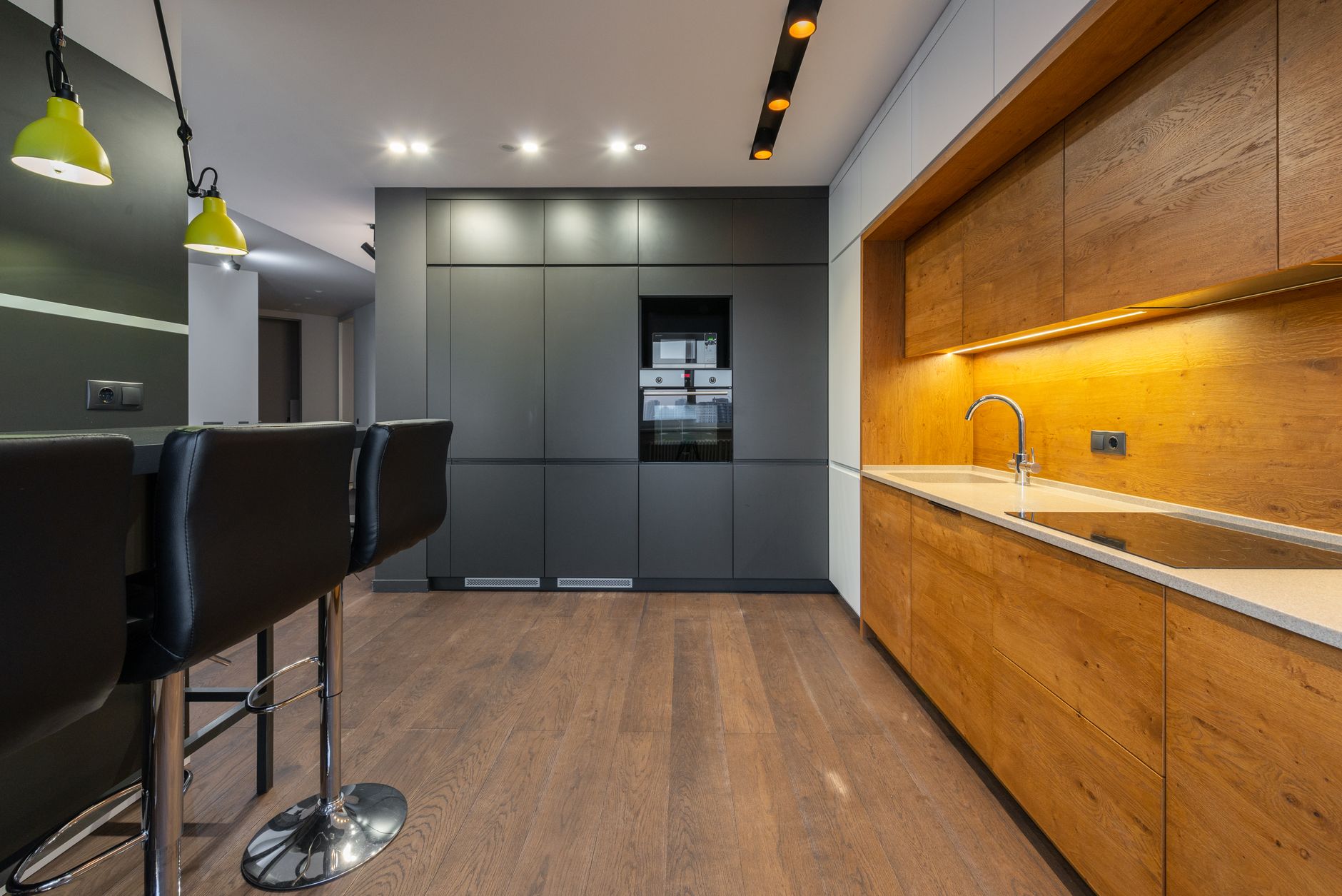
Matte vs gloss 2-pack
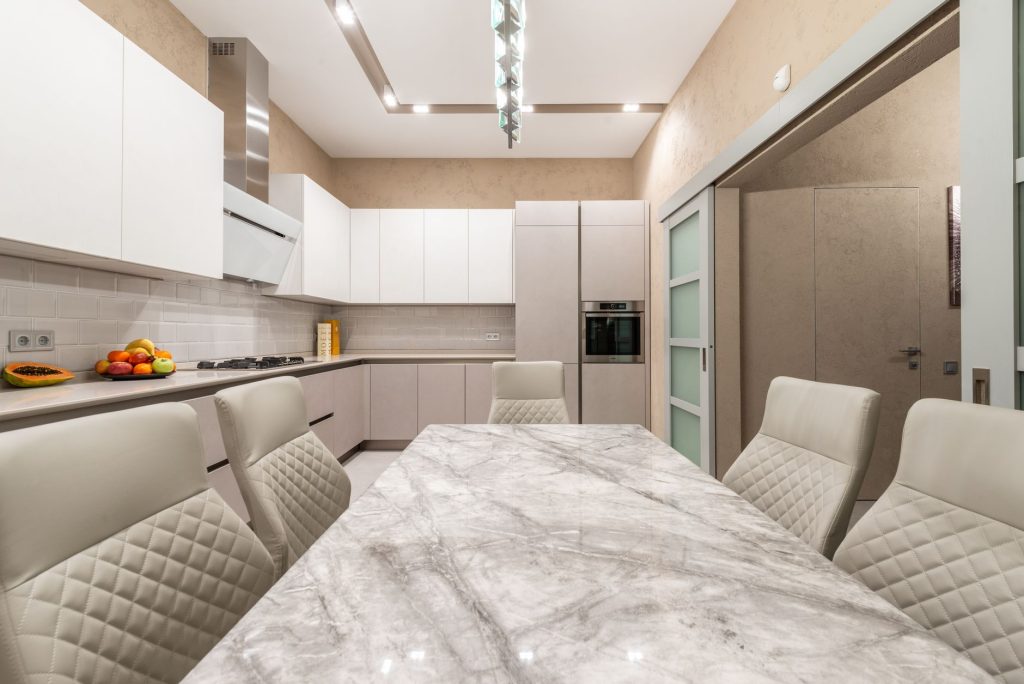
Matte 2-pack is having a long run in Sydney kitchens right now — it hides fingerprints better than gloss and feels less clinical. Gloss 2-pack looks sharper in photos but shows every smudge and water spot, which is worth knowing before you commit to it for a kitchen with three kids and a dog.
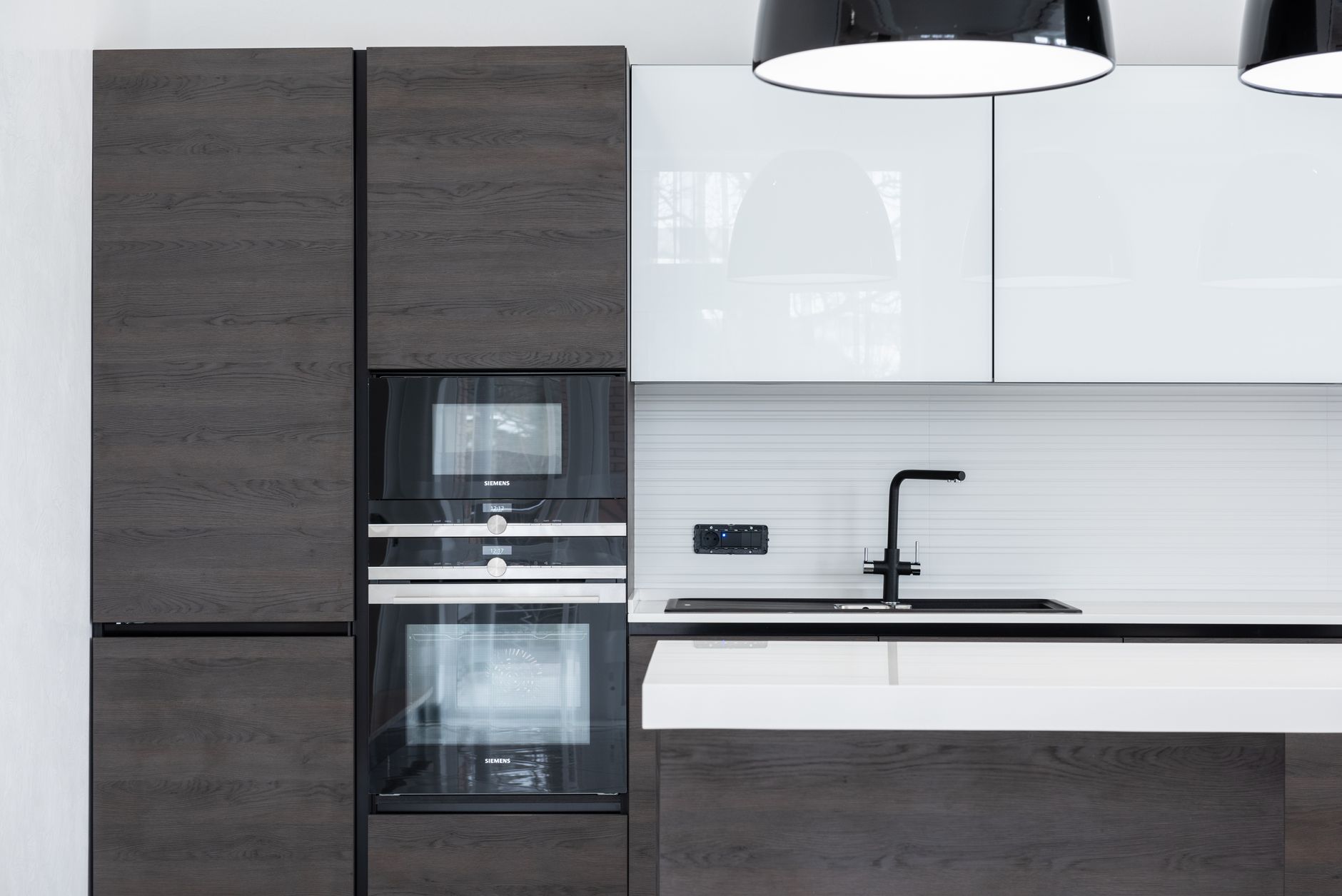
Lacquer: often confused with 2-pack, not quite the same thing
Here’s where a lot of homeowners get misled. “Lacquer” gets used loosely in the trade to mean 2-pack polyurethane, but true lacquer — nitrocellulose lacquer — is a different, older product. It dries by solvent evaporation rather than a chemical cure, which means it’s softer, less water-resistant, and more prone to yellowing over time.
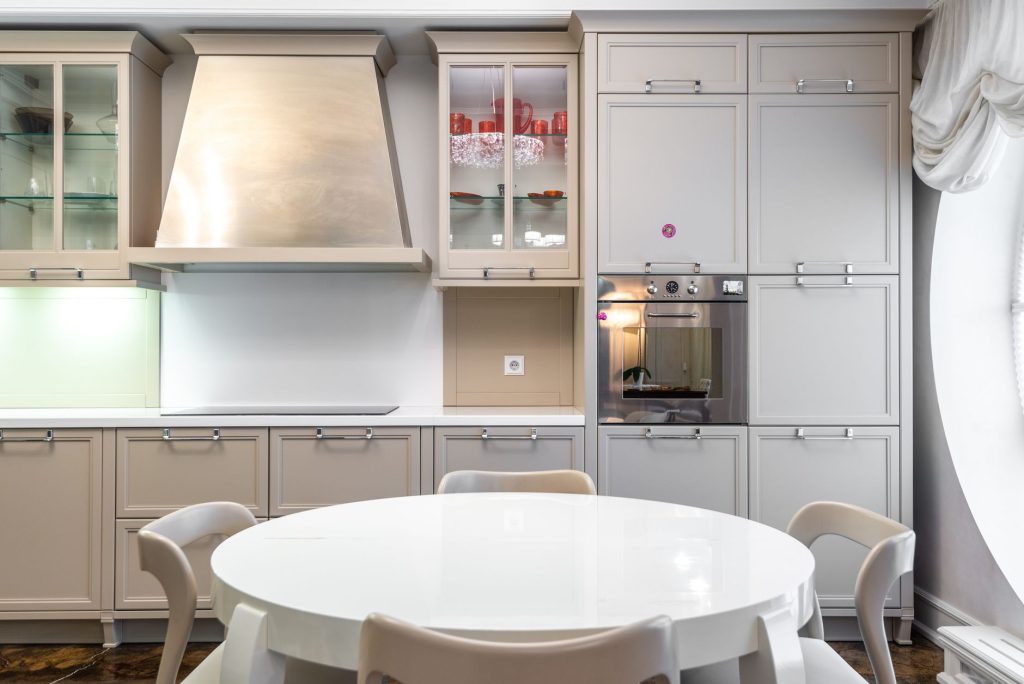
You’ll still find genuine lacquer finishes on some imported or heritage-style cabinetry, and it has a lovely depth and warmth that some designers love for a Paddington terrace or a period home where you want something softer than the hard, plasticky look of modern poly. But for a hardworking family kitchen, it’s not what we’d put forward. It scratches more easily and doesn’t cope with moisture the way 2-pack does.
If a supplier tells you their doors are “lacquered,” ask directly whether they mean 2-pack polyurethane or true lacquer. The answer changes what you’re actually buying.
Vinyl wrap: the budget option, and there’s nothing wrong with saying so
Vinyl wrap (also called thermofoil or foil-wrap) is a PVC film heat-pressed onto an MDF substrate. It’s the cheapest of the three finishes, often by a significant margin, and it’s seamless — no visible joins, which makes it genuinely good for shaker-style doors with grooves and profiles that are expensive to spray evenly.
It’s a sound choice for rental properties, investment flips in the Inner West, or a first kitchen where budget is doing a lot of the talking. Colour and texture range is huge, and a lot of woodgrain vinyl finishes look convincing from a few steps back.
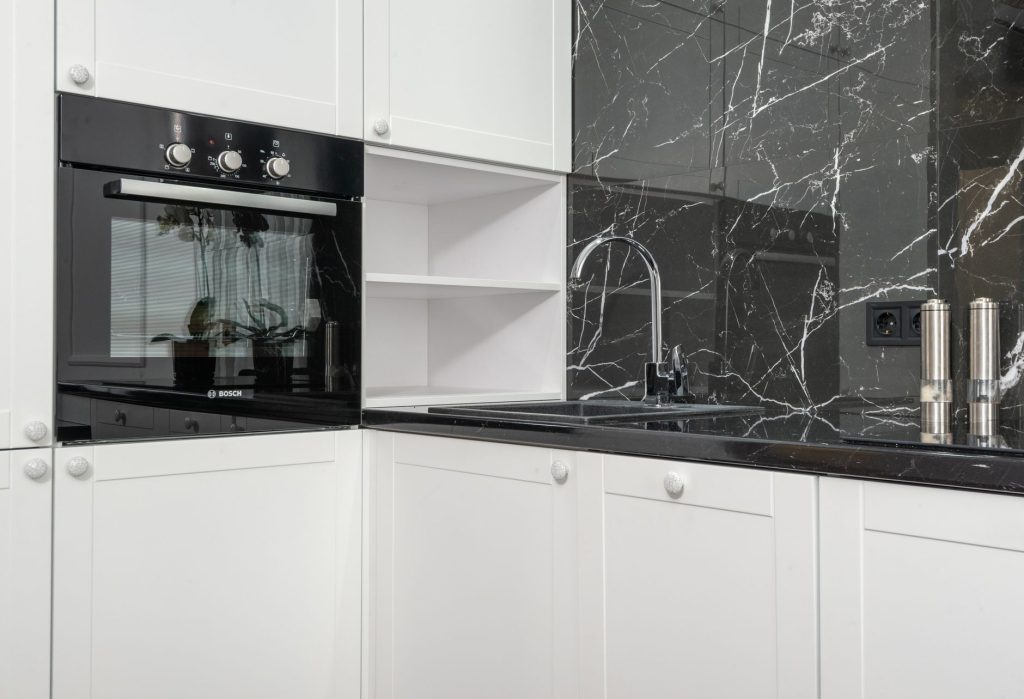
Where it falls down is heat and time. Vinyl wrap can lift or bubble near ovens, especially if the door next to a wall oven doesn’t have enough clearance — something we check carefully on every job we spec. Direct sun through a west-facing window can also cause the film to peel at the edges over several years. Once it starts lifting, there’s no repairing it. You’re replacing the door.
How they actually compare
On upfront cost, vinyl wrap is cheapest, 2-pack sits in the middle, and true lacquer or high-end European 2-pack finishes sit at the top. On durability, 2-pack wins outright for a kitchen that’s actually used daily. On colour range and custom matching, 2-pack also wins — you can spray almost any colour, including a precise match to a client’s existing paint or joinery elsewhere in the house, which vinyl can’t do.
On repairability, neither option handles damage brilliantly. A damaged 2-pack door needs re-spraying. A damaged vinyl door needs replacing. Neither can be touched up with a texta and a prayer, whatever a handyman on Facebook Marketplace might tell you.
On moisture resistance near a sink or dishwasher, 2-pack is the clear winner, which is why we lean on it hard for kitchens on the North Shore with big harbour-facing windows that trap condensation overnight.
Which one should you actually choose?
If you’re renovating a forever home and want something that still looks sharp in ten years, spend the money on 2-pack polyurethane from a workshop that sprays and cures it properly. If you’re after that soft, warm, old-world look in a heritage renovation and you’re happy to treat your cabinets gently, genuine lacquer has its place. If you’re working to a tight budget, flipping a property, or fitting out a rental, vinyl wrap does a perfectly respectable job and nobody’s going to judge you for it.
What we’d steer you away from is buying on the word “lacquer” alone without asking what’s actually being sprayed onto your doors, or choosing vinyl wrap for a kitchen with a wall oven and tight door clearances. Both of those mistakes show up two years later, not on install day.
If you want a straight answer on which finish actually suits your kitchen, your budget, and how hard your household is going to use it, contact Kenwood Kitchens today and we’ll walk you through actual door samples, not just a brochure.