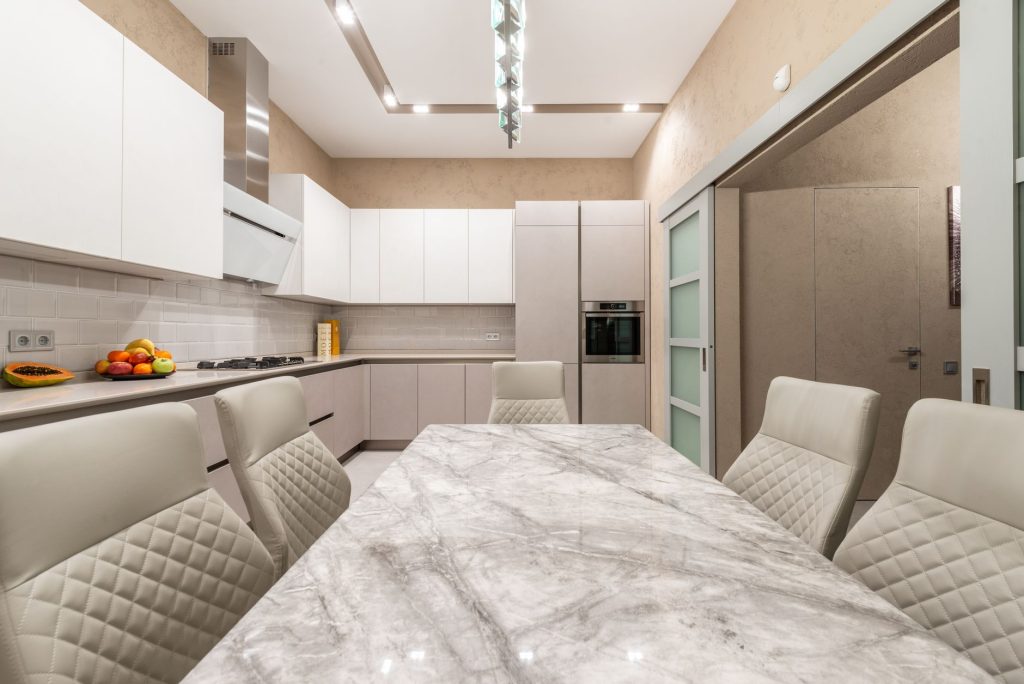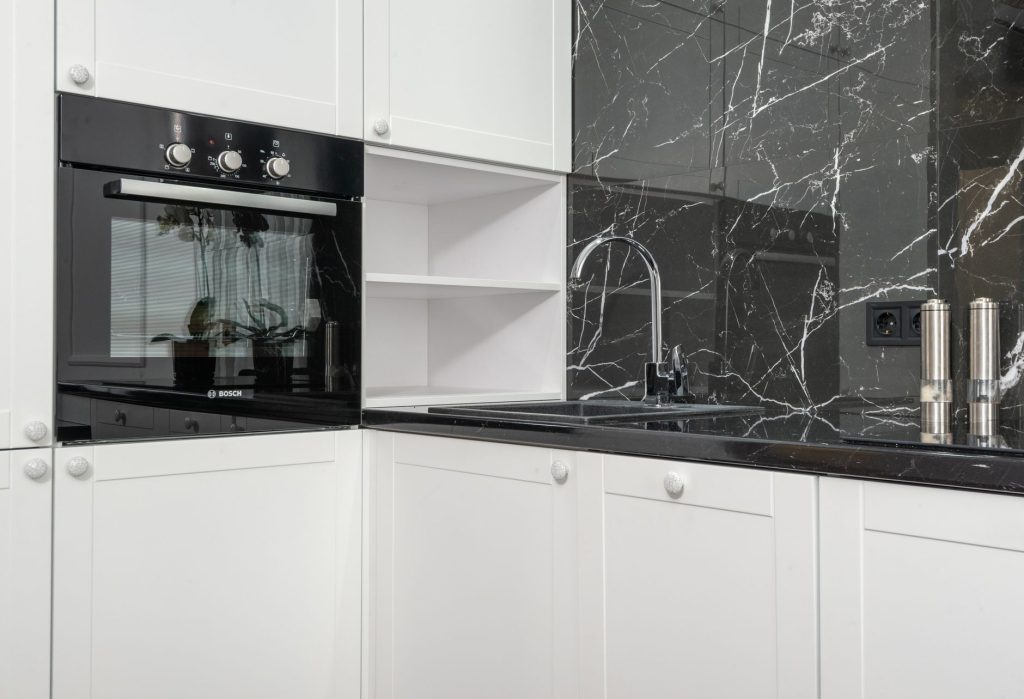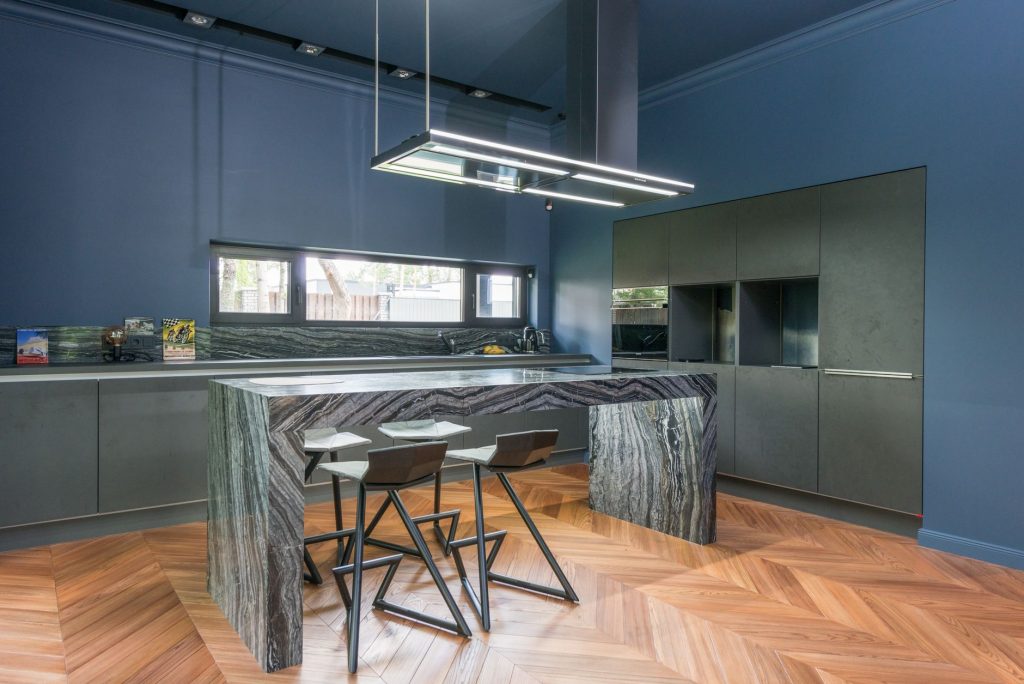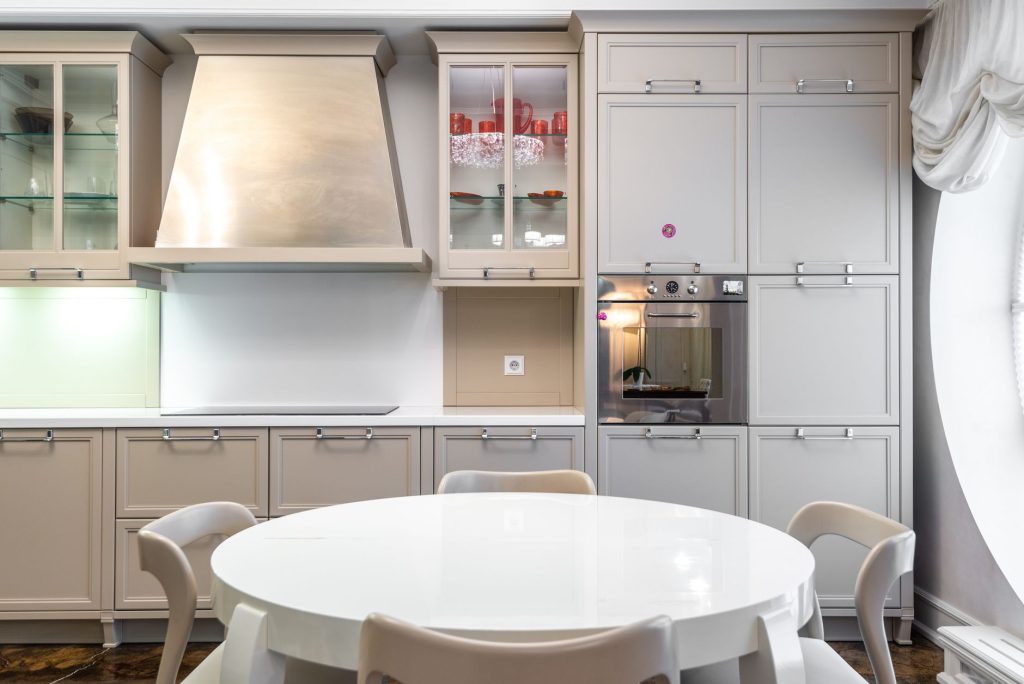
Here’s the honest answer: neither style ages better on its own. What ages badly is a kitchen that fights the house it’s in, or one built with trend-driven materials instead of genuinely good ones. I’ve walked into plenty of 2014-era contemporary kitchens in Mosman that look dated already, and plenty of classic Hamptons-style kitchens in Cronulla that still look sharp a decade on. The style isn’t the problem. The decisions underneath it are.
Match the kitchen to the house, not the magazine
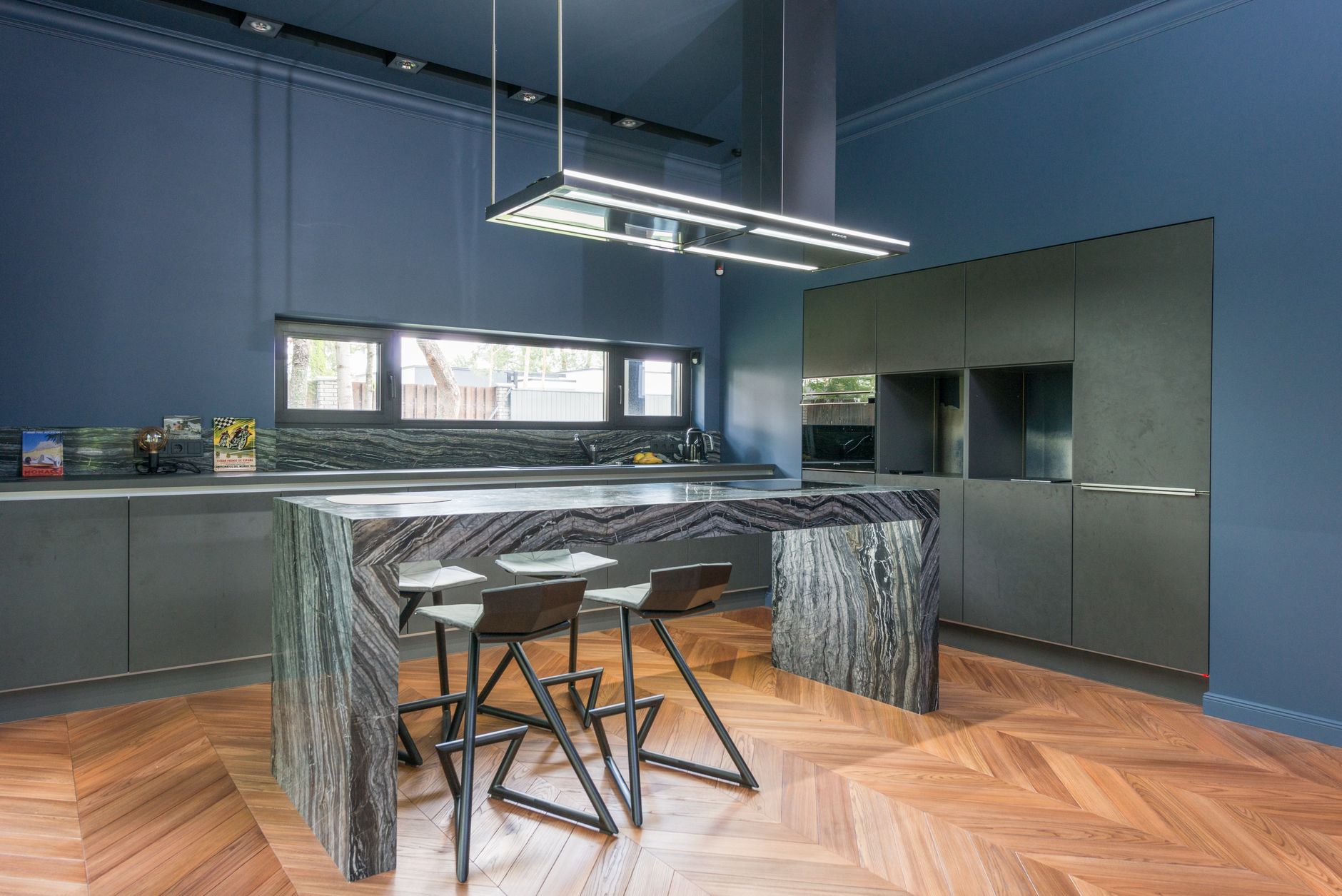
A lot of the “which ages better” question actually comes down to context. If you own a Federation home in Haberfield or a sandstone terrace in Paddington, a stark, handleless contemporary kitchen will always look slightly wrong, no matter how well it’s built. It’s fighting the bones of the house. Conversely, if you’ve got a glass-box architectural build on the North Shore, a heavily detailed classic kitchen with shaker doors and ornate hardware can look like a costume rather than a kitchen.
Classic design tends to age well in period homes because it’s not really competing with the architecture — it’s extending it. Contemporary design ages well in newer or renovated homes because the lines of the kitchen match the lines of the build. When the two line up, both styles last. When they don’t, you end up with a kitchen that feels off within a few years, regardless of how much you spent.
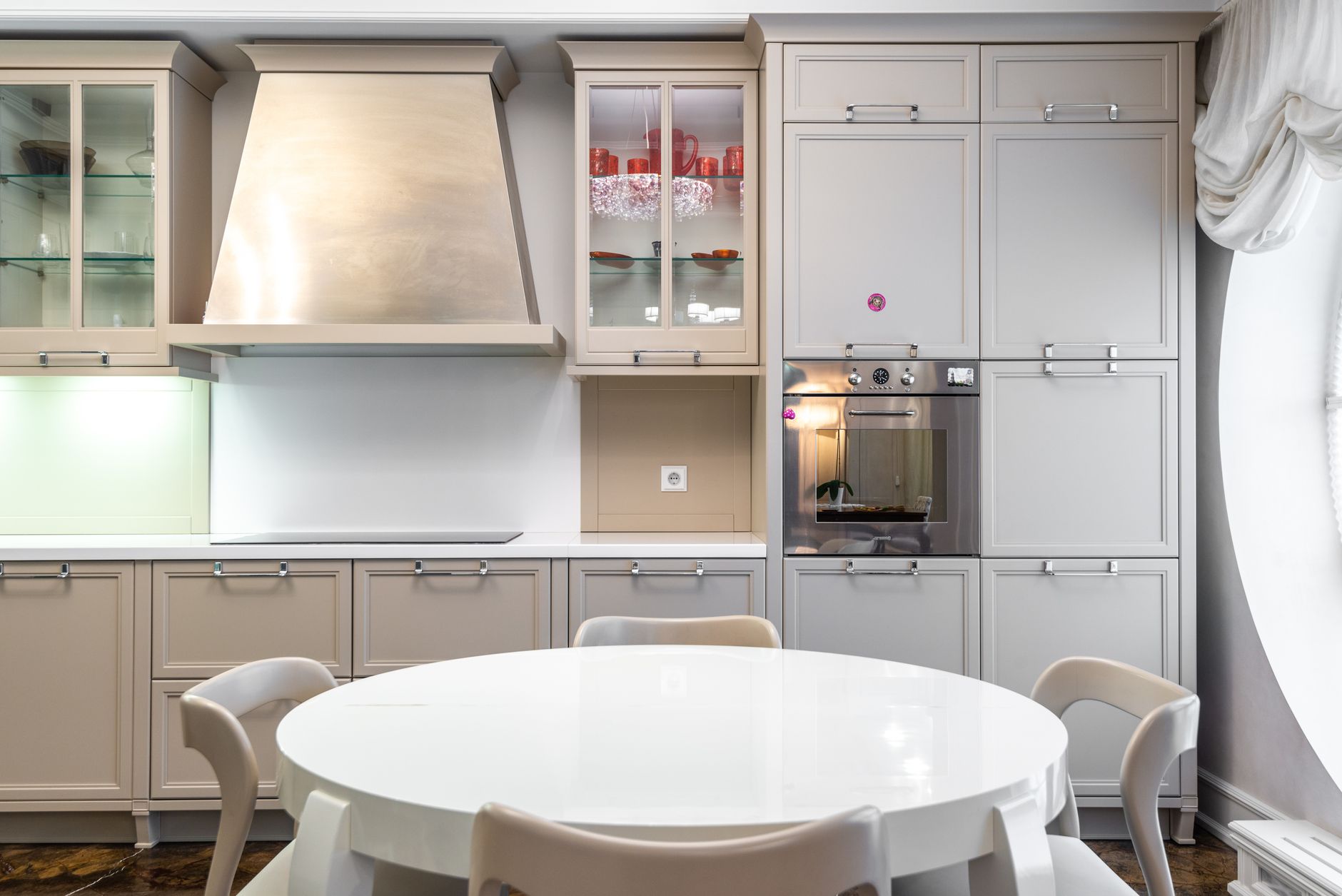
Classic holds up when it’s restrained, not when it’s fussy
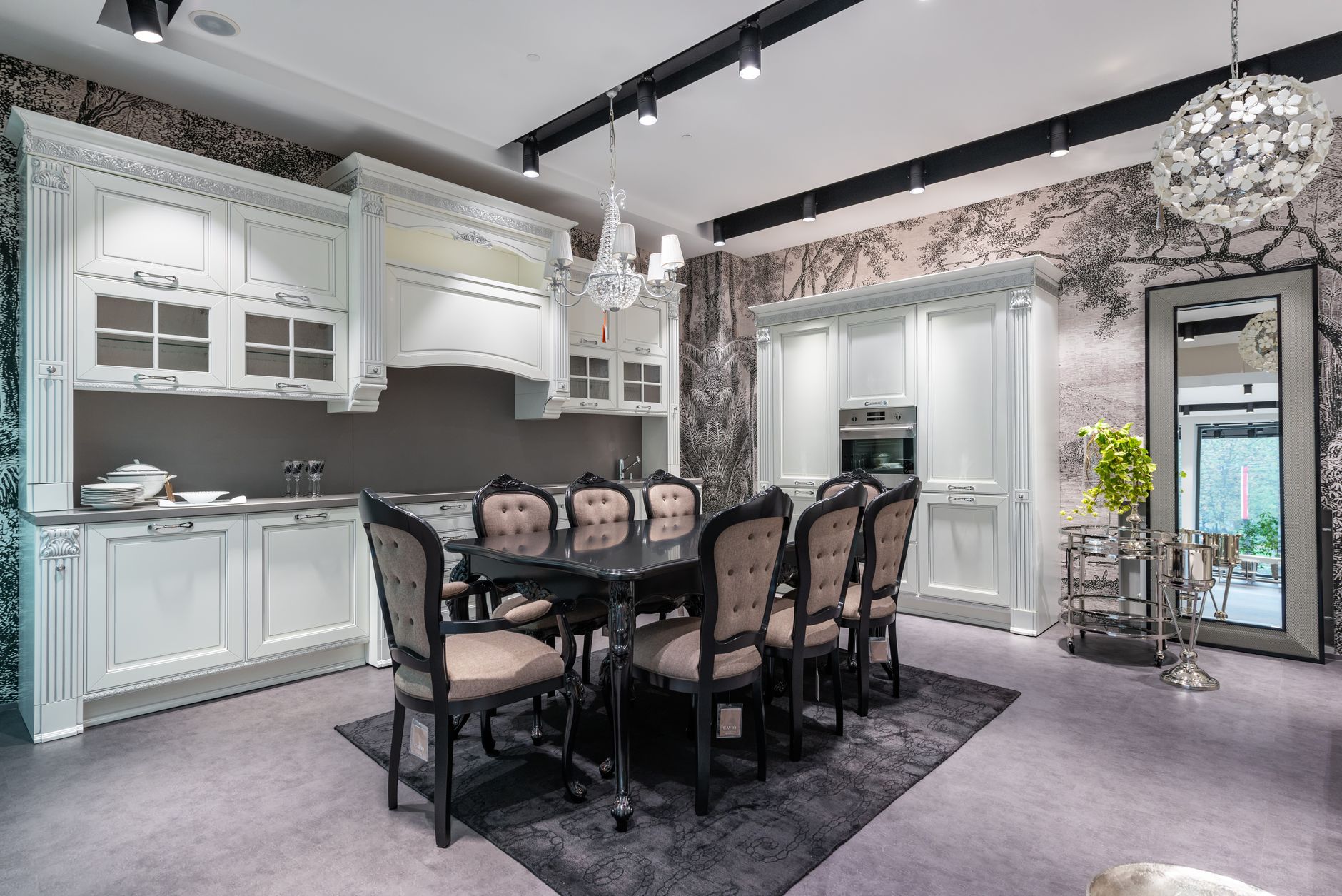
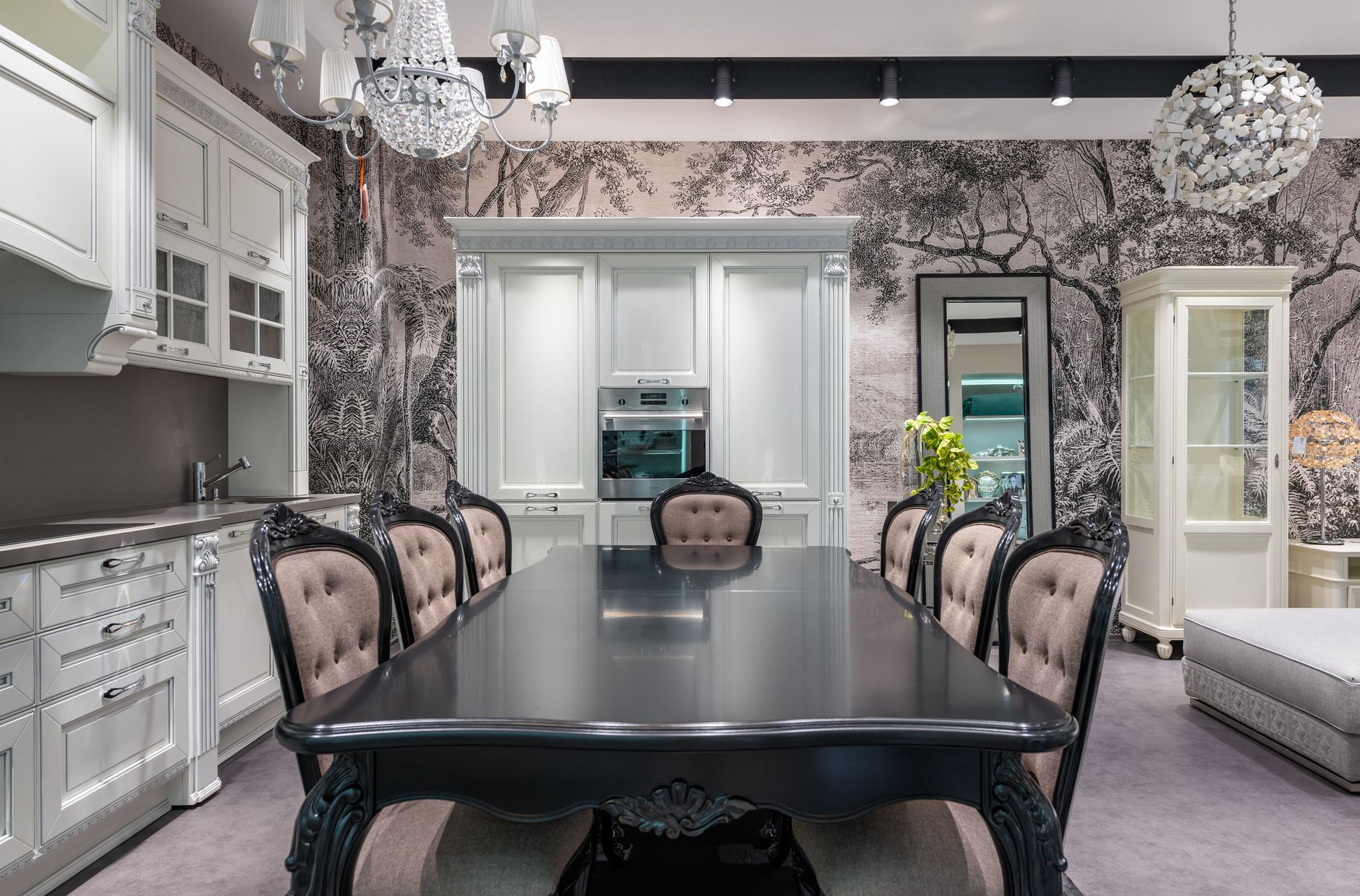
People hear “classic kitchen” and think ornate mouldings, heavy cornices, and dark stained timber everywhere. That version of classic dates fast — it was popular in the early 2000s and most of it looks tired now. The classic kitchens that have genuinely aged well are the restrained ones: simple shaker doors, a stone benchtop in a neutral tone, brass or black hardware used sparingly. We see this a lot in Double Bay and the Eastern Suburbs, where homeowners want timeless without it tipping into traditional-for-the-sake-of-it.
Shaker-style cabinetry is probably the safest long-term bet in the classic camp. It’s been around for decades, it works in both period and contemporary homes, and it doesn’t scream any particular era the way heavily detailed joinery does.
Contemporary ages badly when it chases a trend, not a style
Contemporary design has a harder time ageing well because it moves faster. Handleless cabinetry, waterfall stone edges, matte black everything — these have all had their moment, and some are already starting to look like a specific point in time rather than a style. The contemporary kitchens that still look good in Inner West renovations from eight or ten years ago are the ones that kept things simple: flat-panel doors, a calm colour palette, good proportions. They didn’t lean on a single trend to carry the whole room.
If you’re going contemporary, the safest long-term move is to let the layout and materials do the work, not a trend-driven finish. A well-proportioned island with a quality stone top will outlast any particular cabinet colour that’s having a moment on Instagram.
The materials that actually date a kitchen
Style gets blamed for a lot that’s really a materials problem. High-gloss acrylic cabinetry from the 2010s, for example, dates harder than almost anything else we see — it scratches, it yellows, and it looks distinctly “of its time” within five or six years. Laminate benchtops trying to mimic stone never quite land and tend to look cheaper with age, not better. Overly trend-specific tile choices — think the all-over hexagon splashback — also tend to pin a kitchen to a particular year.
What holds up regardless of style: natural stone or quality engineered stone benchtops, solid timber or well-made veneer cabinetry, and hardware in finishes that aren’t trying too hard. These aren’t exciting things to say, but they’re the difference between a kitchen that still looks good in 2036 and one that needs replacing in 2030.
So which actually wins in Sydney?
If I had to pick one, I’d lean classic for most established Sydney suburbs — the Lane Cove, Willoughby, and Paddington-style homes where the architecture already has character. A restrained classic kitchen tends to outlast trends because it was never chasing them in the first place.
But contemporary wins in the right setting. New builds, knockdown-rebuilds, and architecturally designed homes on the North Shore or in the Sutherland Shire genuinely need a kitchen that matches that clean, modern language. Forcing a classic kitchen into that kind of house doesn’t age gracefully either — it just looks mismatched from day one.
The real answer isn’t contemporary versus classic. It’s good versus trend-chasing. Get the proportions right, use materials that are built to last rather than built to photograph well, and match the kitchen to the house it’s actually in. Do that, and either style will still look right in fifteen years.
If you’re weighing up styles for your own renovation and want an honest opinion on what will actually suit your home, contact Kenwood Kitchens today and we’ll talk it through properly.